

Cusco Travel Guide
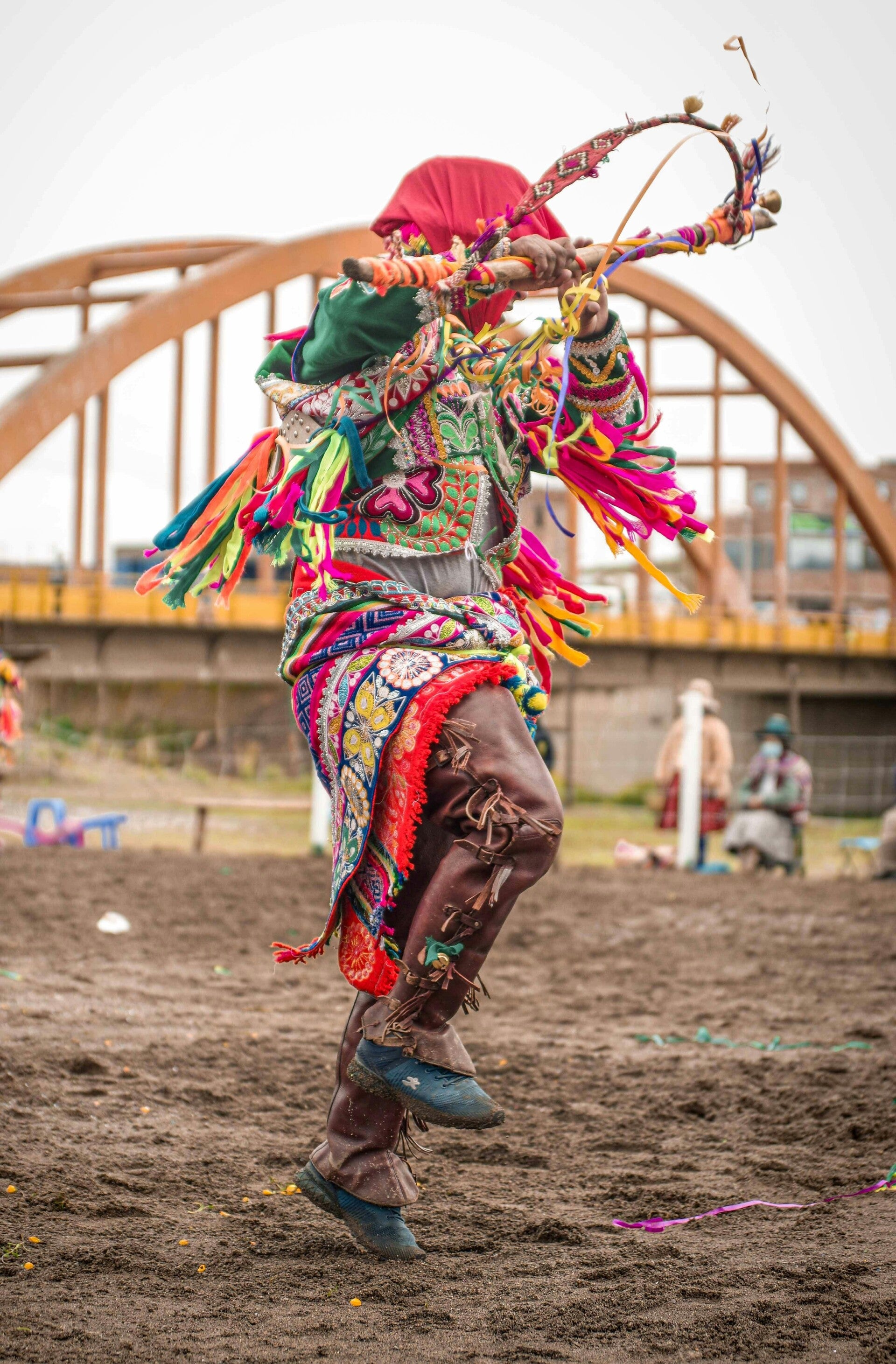
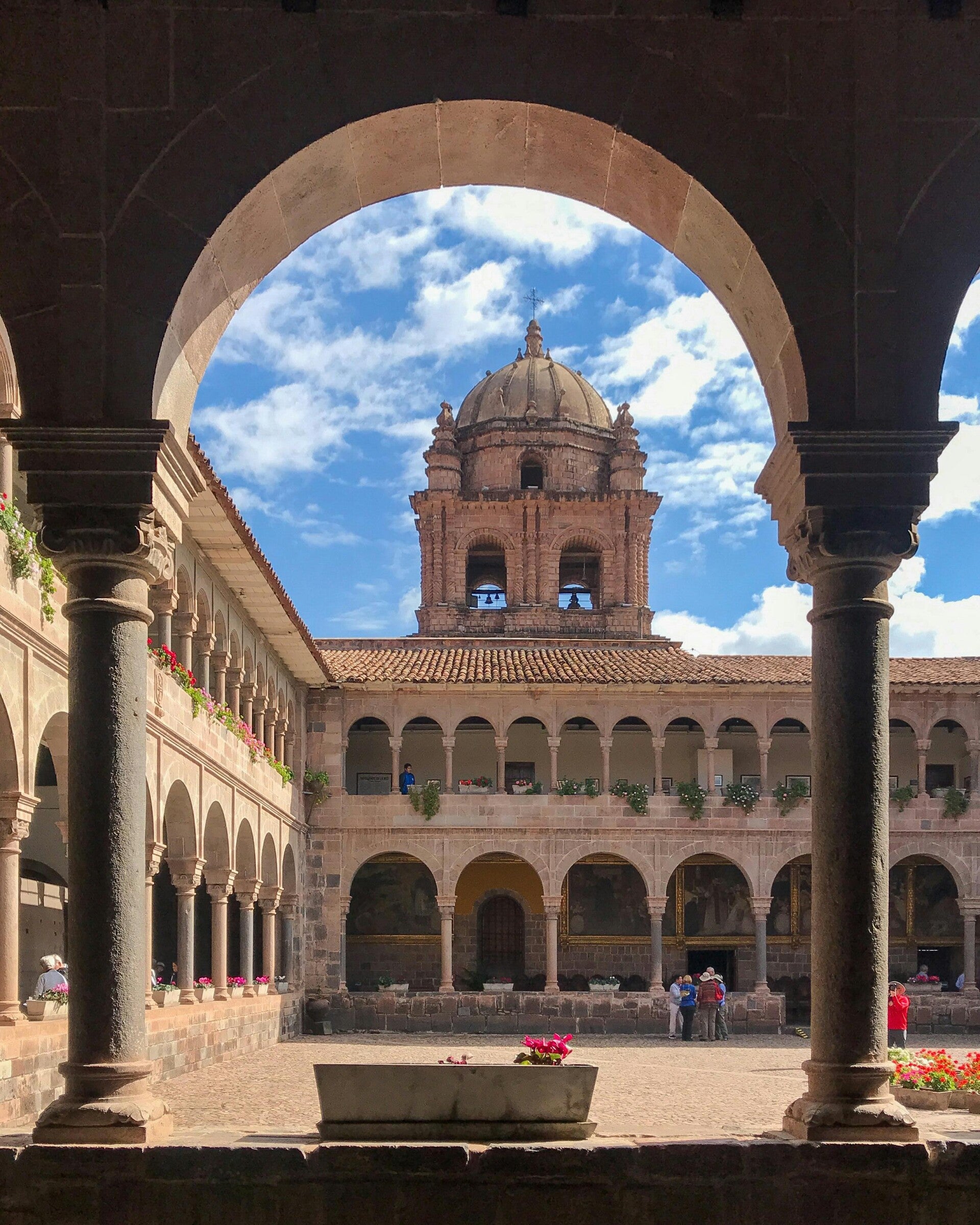
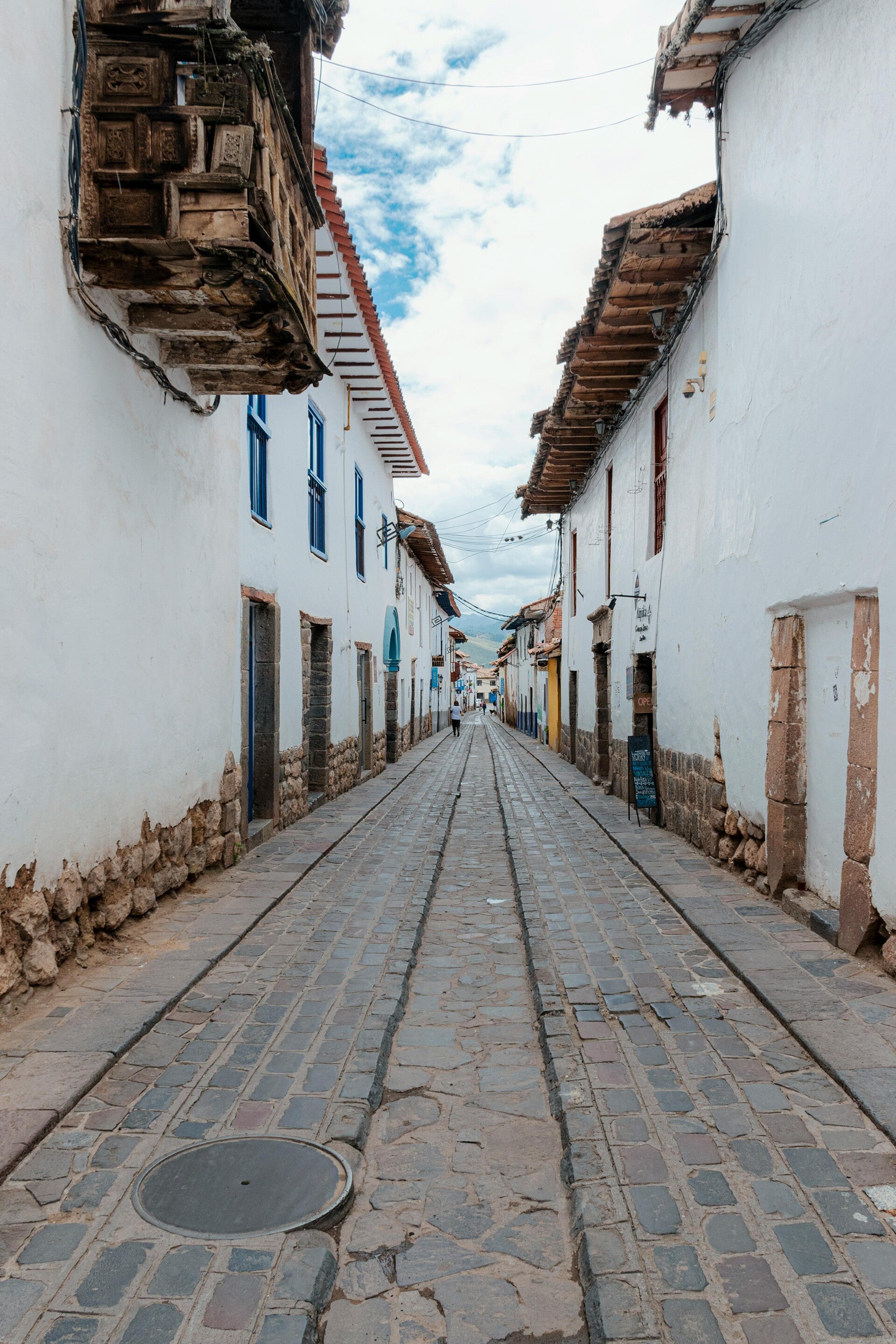
Cusco sits high in the Andes and carries centuries of layered history. Once the capital of the Inca Empire, the city blends stone foundations, colonial architecture, and living traditions that remain part of daily life.
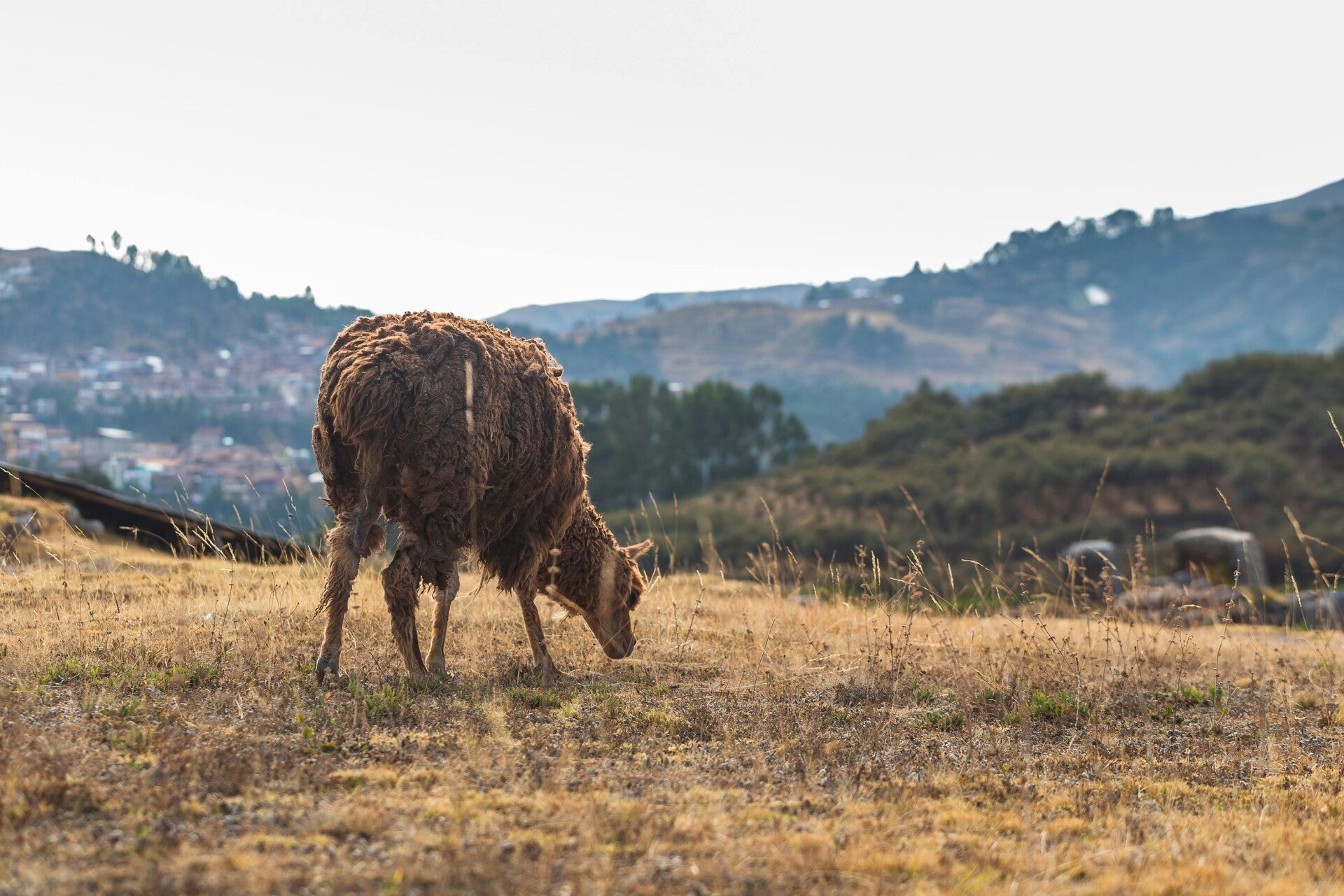
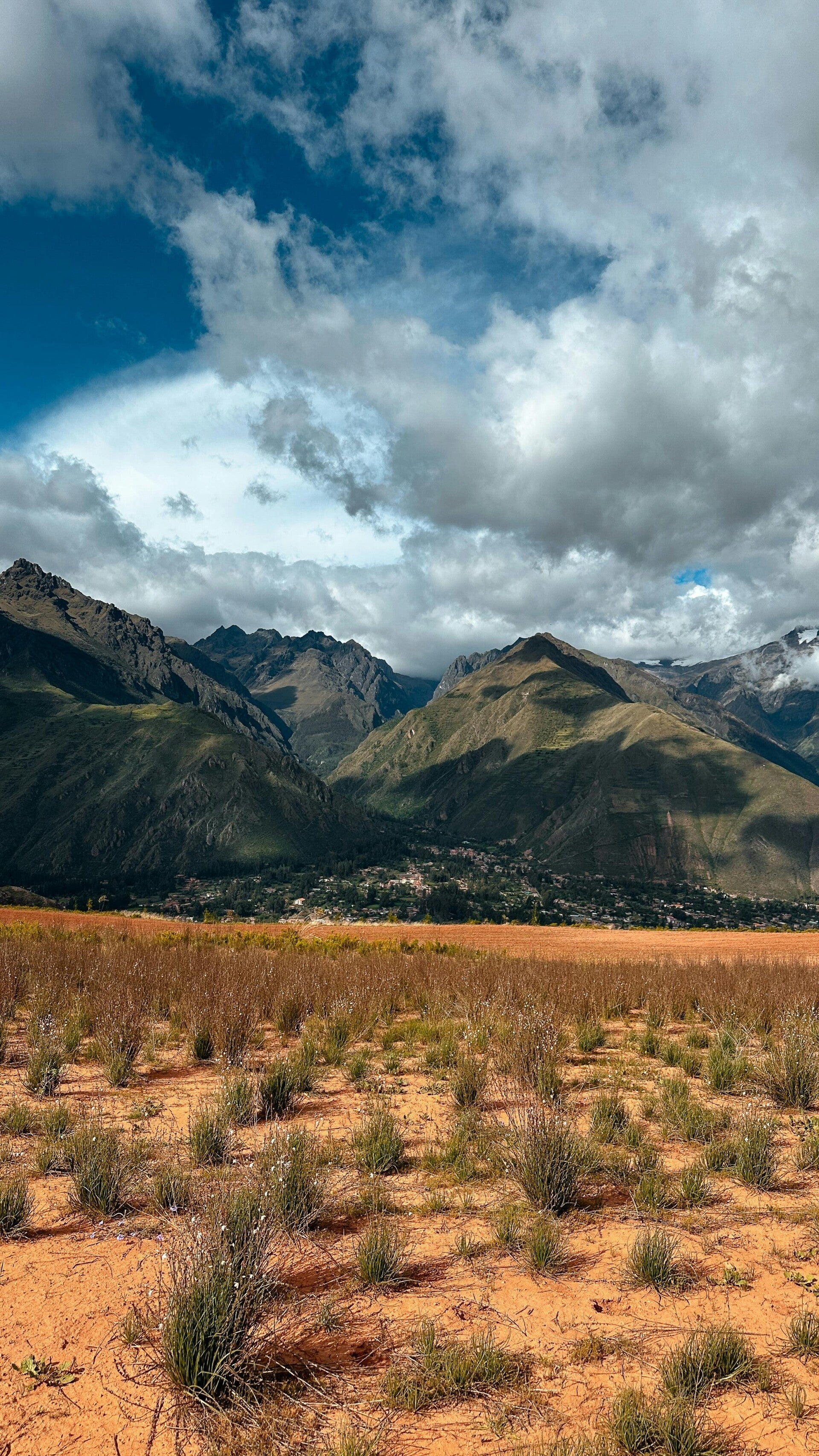
Travel here moves at a slower rhythm. Altitude encourages rest, observation, and gradual exploration, while nearby valleys and ruins connect the city to a wider Andean landscape. Cusco feels less like a stop and more like a transition into a different pace of life.
Know before you go
-
Language: Spanish, Quechua
-
Currency: Peruvian Sol (PEN)
-
Capital: Lima
-
Visa: Passport required; most nationalities receive visa-free entry for tourism
-
Power plugs: Type A & C
Flights
Most travelers reach Cusco via Alejandro Velasco Astete International Airport (CUZ), typically connecting through Lima. Direct international flights are limited, so domestic connections are common.
Flights into Cusco offer dramatic mountain views but can be affected by weather, making flexible planning useful.
Transportation
Cusco is compact and best explored on foot, especially within the historic center. Taxis are widely available and affordable for short distances.
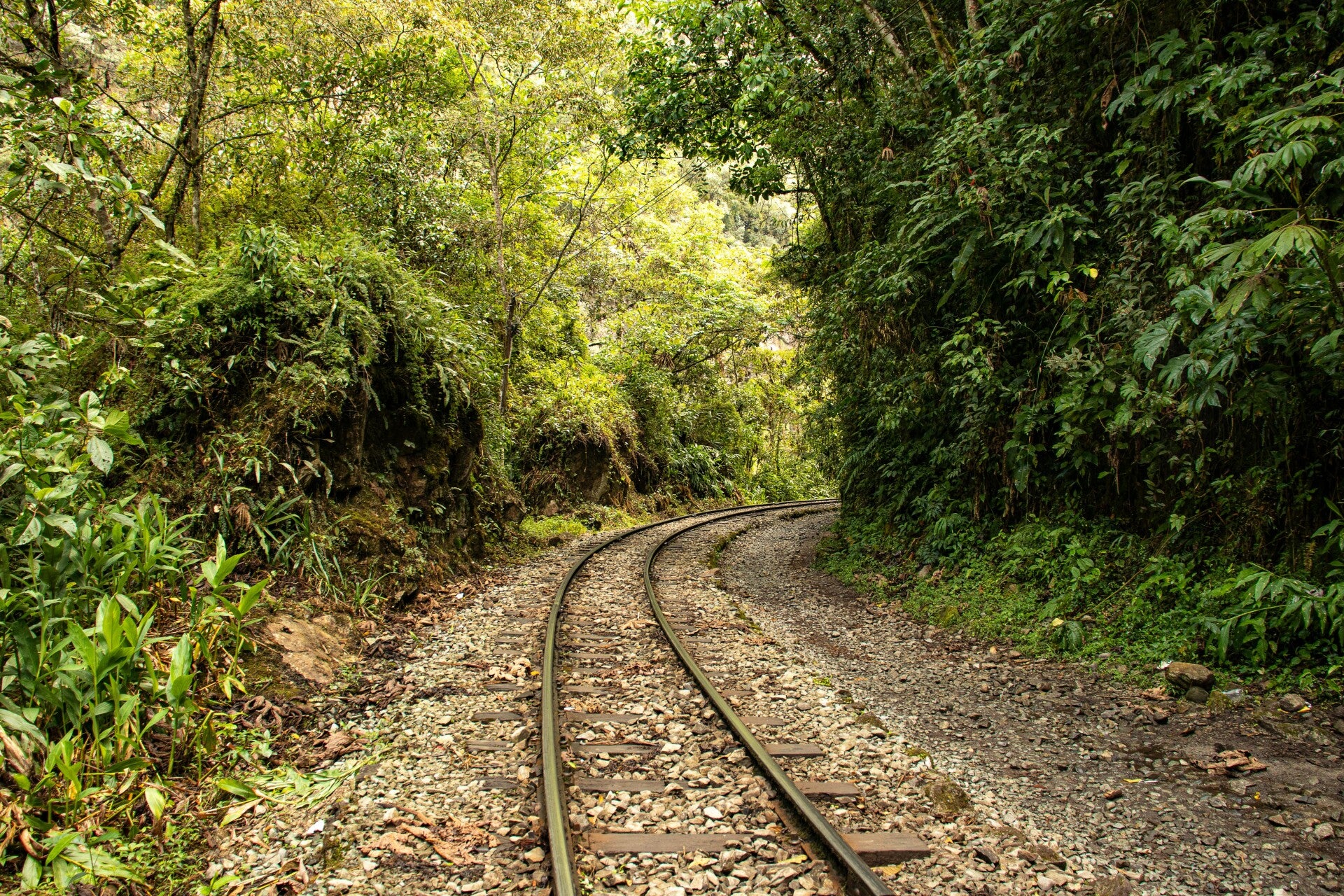
For travel to the Sacred Valley, Machu Picchu, and surrounding villages, travelers often use trains, shared shuttles, or private transport depending on comfort and schedule. Pre-arranged transport is especially helpful for early departures and high-altitude routes.
Safety
Cusco is considered safe for travelers, particularly in central areas and tourist zones. Petty theft can occur in crowded spaces, so keeping belongings secure is recommended.
Altitude sickness is the most common concern. Taking time to acclimatize, staying hydrated, and avoiding strenuous activity on arrival helps ensure a comfortable stay.
Climate
Cusco has a cool mountain climate with clear seasonal differences. Dry season (May–September) offers the best conditions for trekking and sightseeing, though nights can be cold.
Rainy season (November–March) brings greener landscapes and fewer crowds, with heavier rainfall most common in January and February.
Budget
Cusco caters to a wide range of budgets. Accommodation, food, and local transport are generally affordable, while costs increase for guided tours, trekking permits, and Machu Picchu access.
Many travelers balance expenses by spending more on key experiences while keeping daily costs low.
Tours & attractions
Must-do activities and tours across Cusco

Highlights
-
Scenic drive from Cusco via the Amazon access route
-
Free time in Aguas Calientes to relax and explore
-
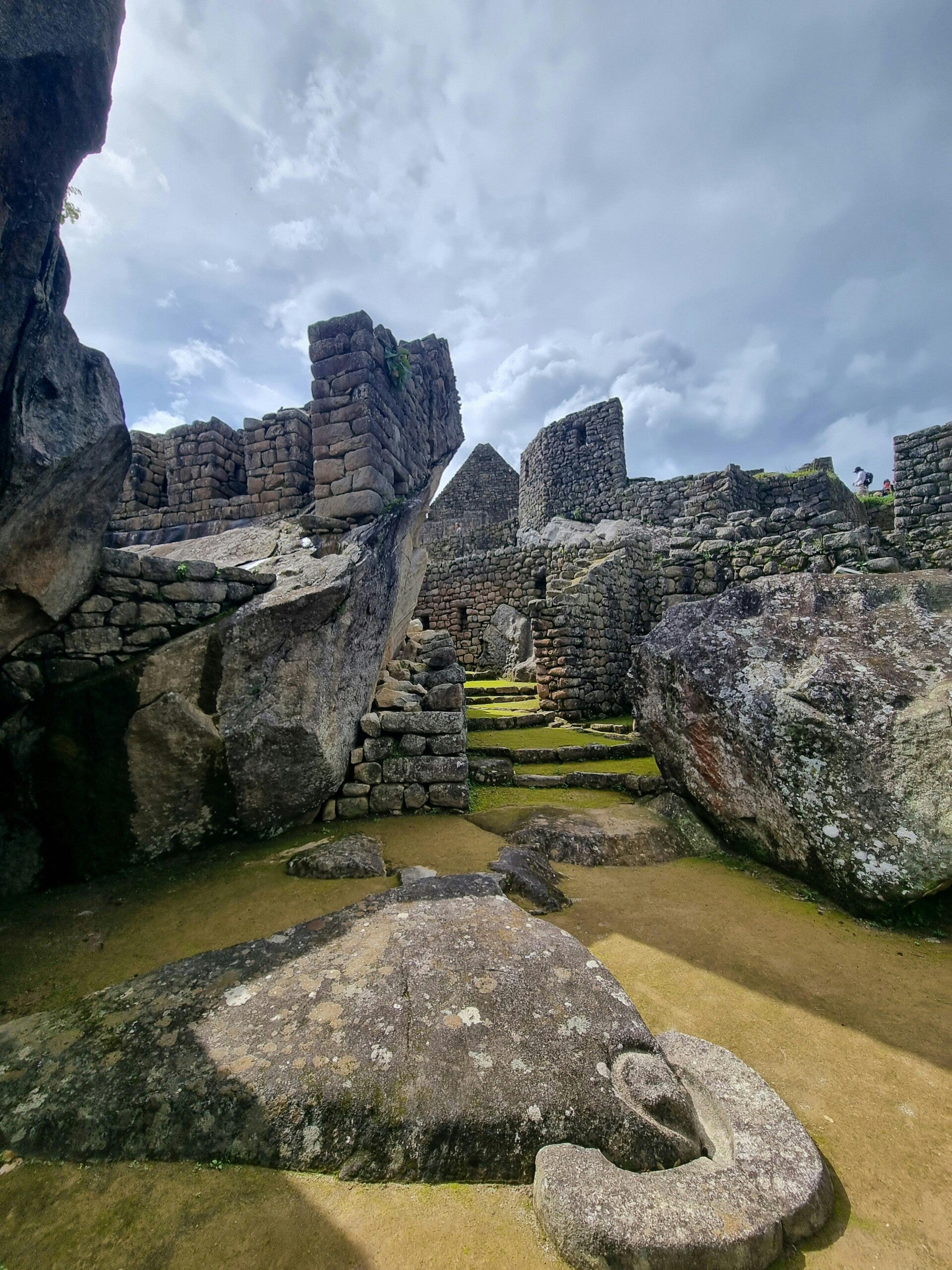
Witness Machu Picchu at sunrise
-
Guided tour of the Inca citadel’s key viewpoints
-
Optional hikes to Huayna Picchu or Machu Picchu Mountain

Highlights
-
Early morning pickup in Cusco at 04:00
-
Travel through the Chillihuani community
-
Hike to Rainbow Mountain (Vinicunca)
-
Explore the colorful Red Valley
-
Return to Cusco by 18:00

Highlights
-
Visit Chinchero & its traditional weaving culture
-
Explore Moray terraces & Maras Salt Mines
-
Discover Ollantaytambo’s Inca ruins
-
Enjoy a buffet lunch in Urubamba
-
Explore Pisac’s market & archaeological site

Highlights
-
Meet at Cusco Main Square
-
Visit Koricancha (Temple of the Sun)
-
Explore Saqsaywaman fortress
-
Discover Q’enco, Puka Pukara & Tambomachay
-
Return to Cusco Main Square
Blog post
My latest post about Cusco
Cusco – Gateway to the Andes
Ancient traditions, mountain air, and a city shaped by history





More to explore in South America


Central America

San José
San José is the cultural and logistical heart of Costa Rica. Neighborhoods, markets, museums, and cafés exist side by side, shaping a city defined by time, local traditions, and daily life.
North America

New York
New York City is one of the world’s most influential cities, shaped by ambition, diversity, and constant reinvention across its five unique boroughs.

Los Angeles
Los Angeles is spread out, creative, and deeply connected to lifestyle. From beaches and hills to studios and neighborhoods, the city feels less like one place and more like many experiences woven together.

Vancouver
Vancouver balances urban comfort with immediate access to nature. Mountains, forests, and ocean shape daily life, creating a calm and outdoors-focused atmosphere.
