

Rio de Janeiro Travel Guide
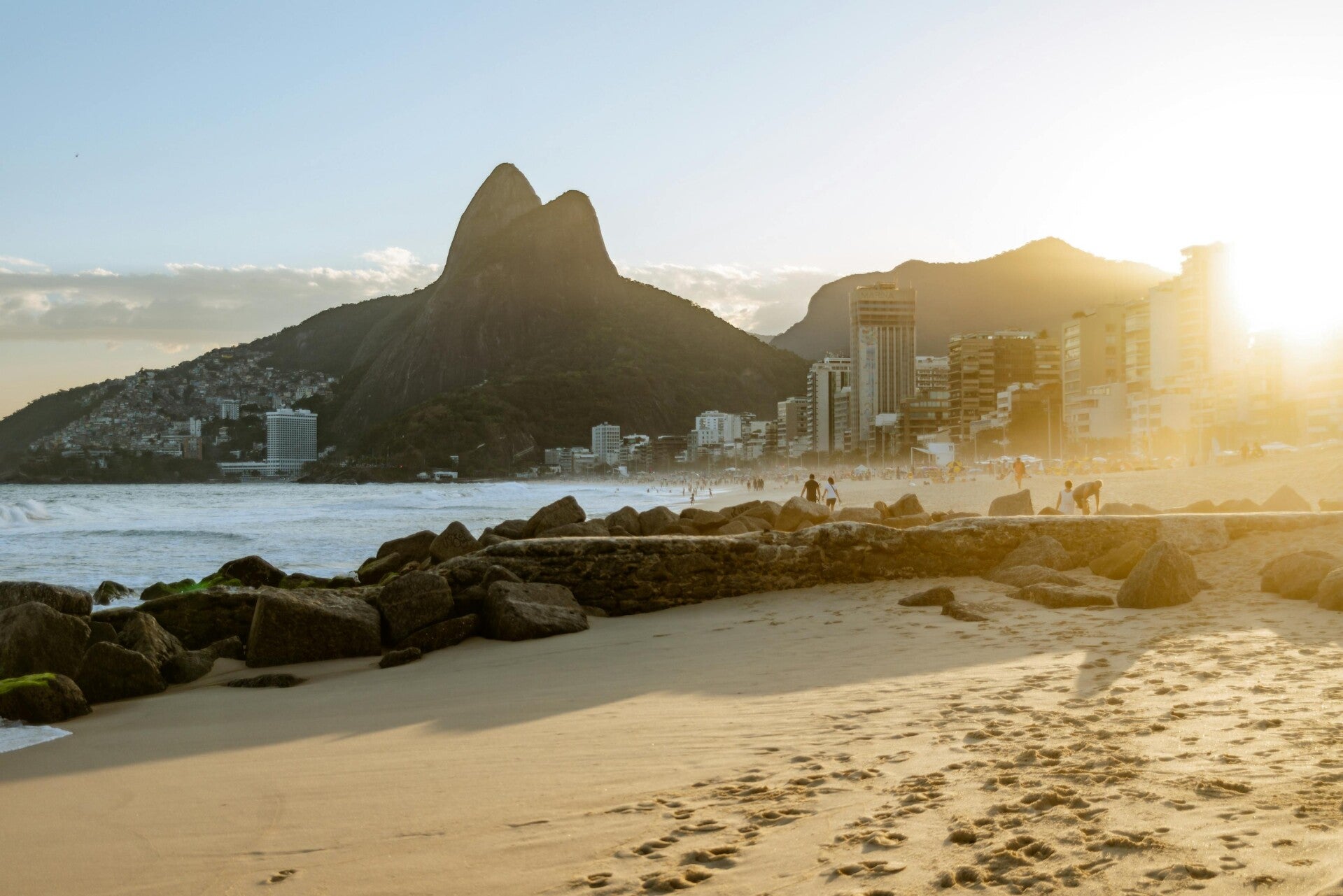
Rio de Janeiro is one of the world’s most visually striking cities, defined by dramatic landscapes, golden beaches, and a culture rooted in music and movement. Life here unfolds between the sea and the hills, from early mornings on Copacabana to sunset views from Sugarloaf Mountain.
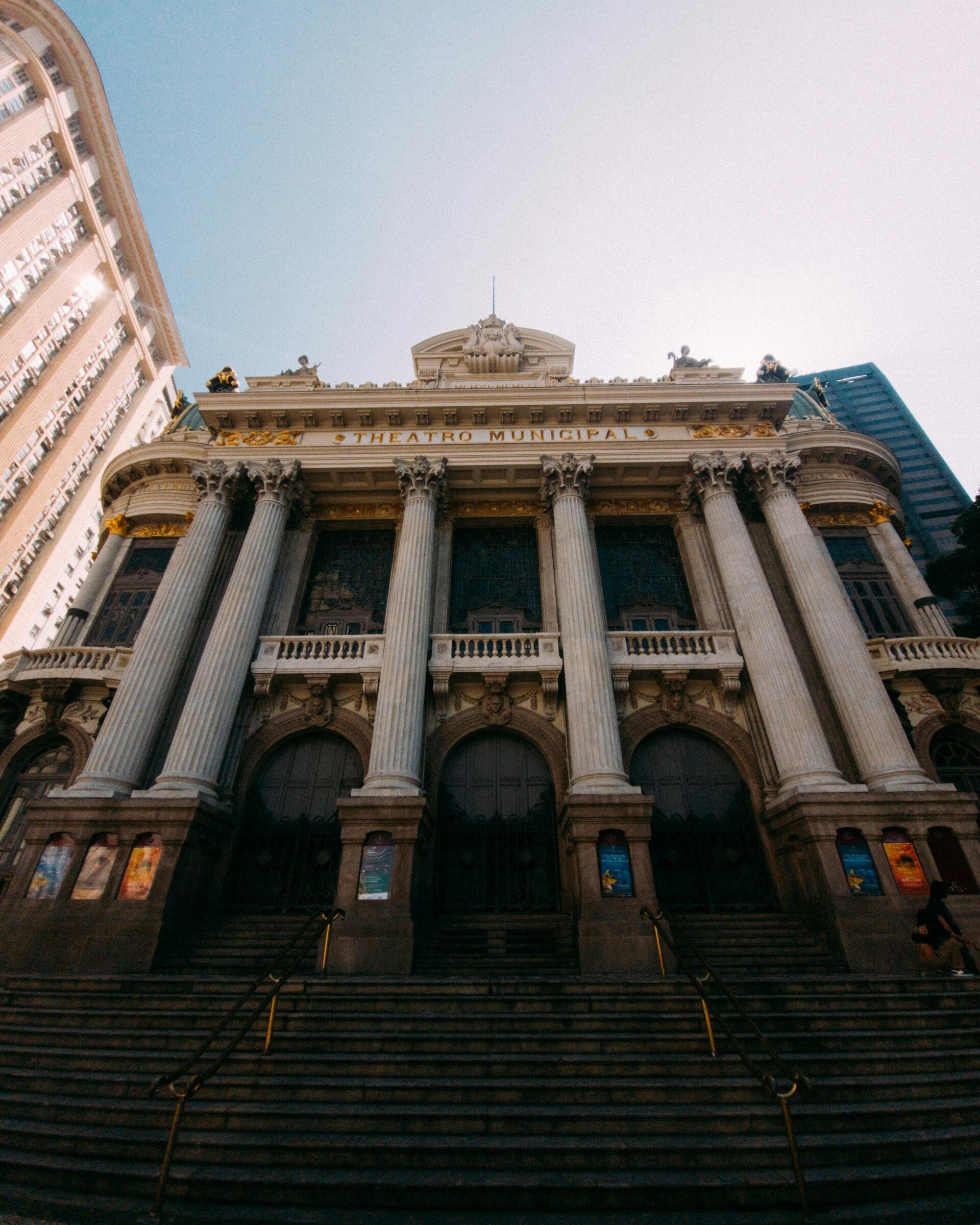
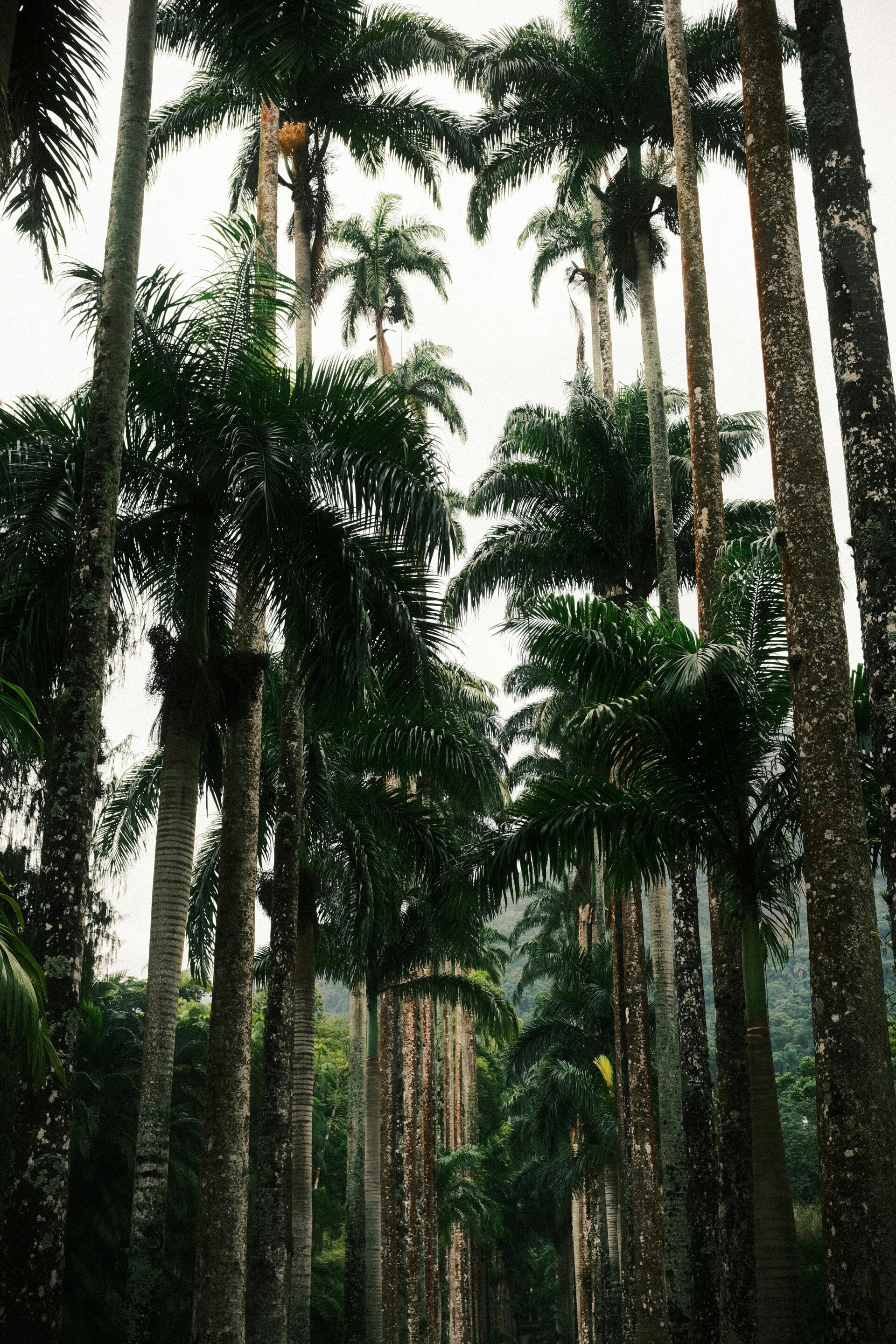
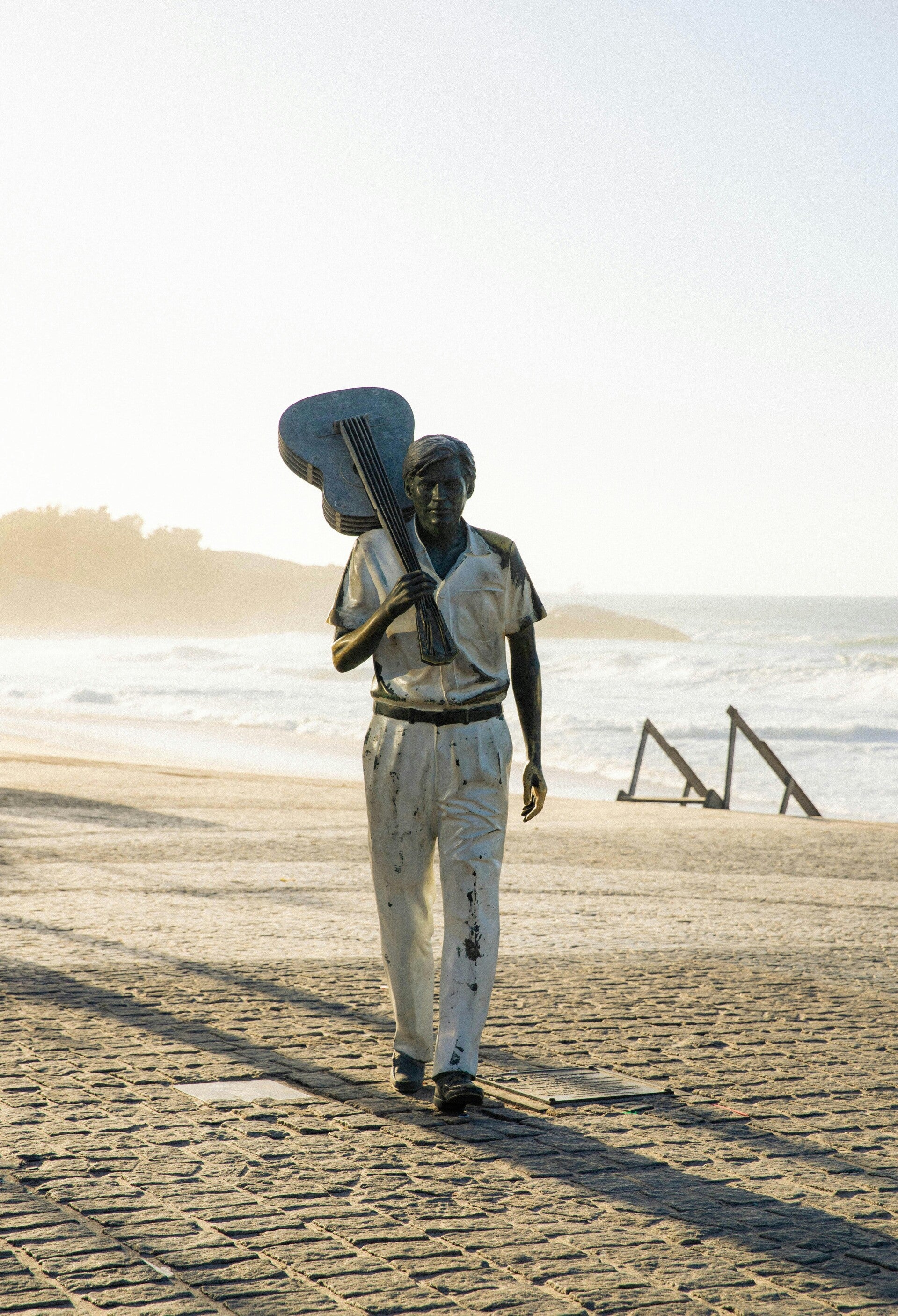
Known for its joyful energy and deep cultural roots, Rio blends natural beauty with urban life. It’s a city where locals gather outdoors, traditions remain strong, and every neighborhood carries its own personality.
Know before you go
-
Language: Portuguese
-
Currency: Brazilian Real (BRL)
-
Capital: Brasília
-
Visa: Passport required; visa-free or visa-on-arrival for many nationalities depending on citizenship
-
Power plugs: Type C & N
Flights
Rio is served by Galeão International Airport (GIG), the city’s main international gateway, with direct connections to North America, Europe, and across South America. Santos Dumont Airport (SDU) handles mainly domestic flights and is centrally located near downtown.
International arrivals typically land at GIG, located about 20–30 minutes from the city center depending on traffic.
Transportation
Rio has a mix of public and private transportation options. The metro system is clean, safe, and reliable for moving between key areas such as Copacabana, Ipanema, downtown, and parts of the city center.
Taxis and ride services are widely used and convenient, especially at night or when traveling longer distances. For airport transfers, day trips, or traveling with luggage, arranged transport offers comfort and peace of mind.
Safety
Rio requires travelers to be mindful, especially in busy areas and tourist hotspots. Stick to well-populated neighborhoods, avoid displaying valuables, and remain aware of your surroundings.
Some areas of the city are not recommended for visitors, so it’s best to stay within known districts and use trusted transportation options. With common sense and preparation, travelers can enjoy Rio safely.
Climate
Rio has a tropical climate with warm temperatures year-round. Summers (December to March) are hot and humid, with occasional heavy rain. This is also peak season for festivals and beach life.
Winter months (June to August) are milder, drier, and comfortable, making them ideal for sightseeing and outdoor activities.
Budget
Rio offers a wide range of travel styles. Budget travelers can find affordable hostels, local eateries, and public transport, while mid-range and luxury travelers have access to beachfront hotels, fine dining, and curated experiences.
Food prices vary depending on location, but local restaurants and street food provide excellent value. Activities like beach days, city viewpoints, and walking tours are often low-cost or free.
Tours & attractions
Must-do activities and tours across Rio de Janeiro

Highlights
-
See Rio’s top sights in one day
-
Visit Christ the Redeemer on Corcovado
-
Pass Maracanã, Sambadrome, Cathedral & Selarón Steps
-
Enjoy panoramic views from Sugarloaf Mountain
-
Savor a traditional Brazilian barbecue

Highlights
-
Explore bohemian Santa Teresa & ride the tram
-
Admire Rio from Ruins Park viewpoint
-
Walk the colorful Selarón Steps

Highlights
-
Pickup in Rio at 08:00
-
Explore Armação dos Búzios
-
Visit Tartaruga Beach & Praia Azeda
-
Stop at Praia João Fernandes
-
Drop-off at your original pickup location at 20:00

Highlights
-
Pickup from multiple Rio hotels at 07:30
-
Hike to Cascatinha Taunay & Capela Mayrink
-
Explore Recanto dos Pintores & Tijuca Visitor Center
-
Visit Gruta Bernardo de Oliveira & Gruta do Belmiro
-
See The Bat Cave, Cascata Diamantina & Cascata da Baronesa
-
Stop at Chinese Viewpoint for scenic views
-
Drop-off at your original hotel by 18:00
Blog post
My latest post about Rio de Janeiro
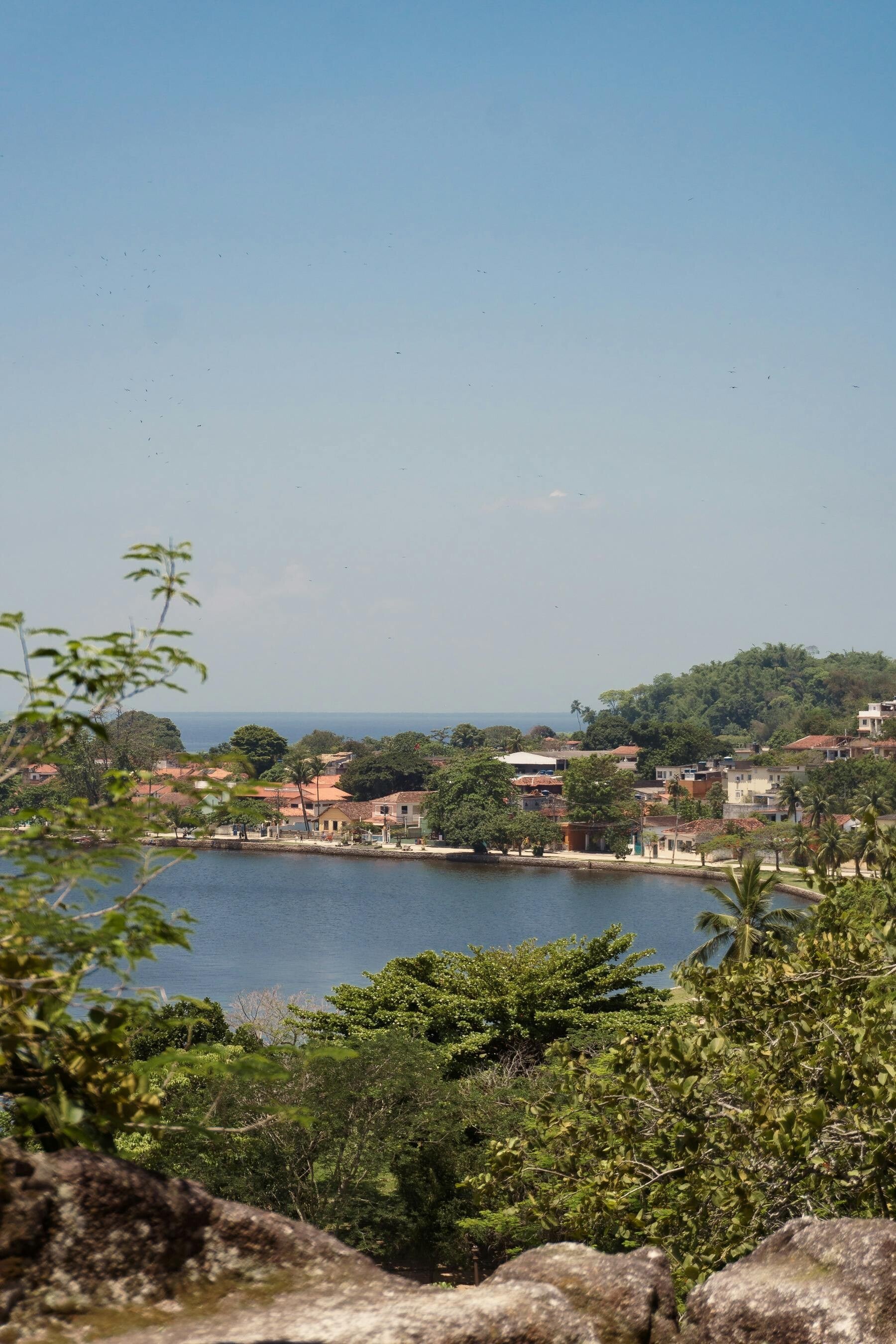
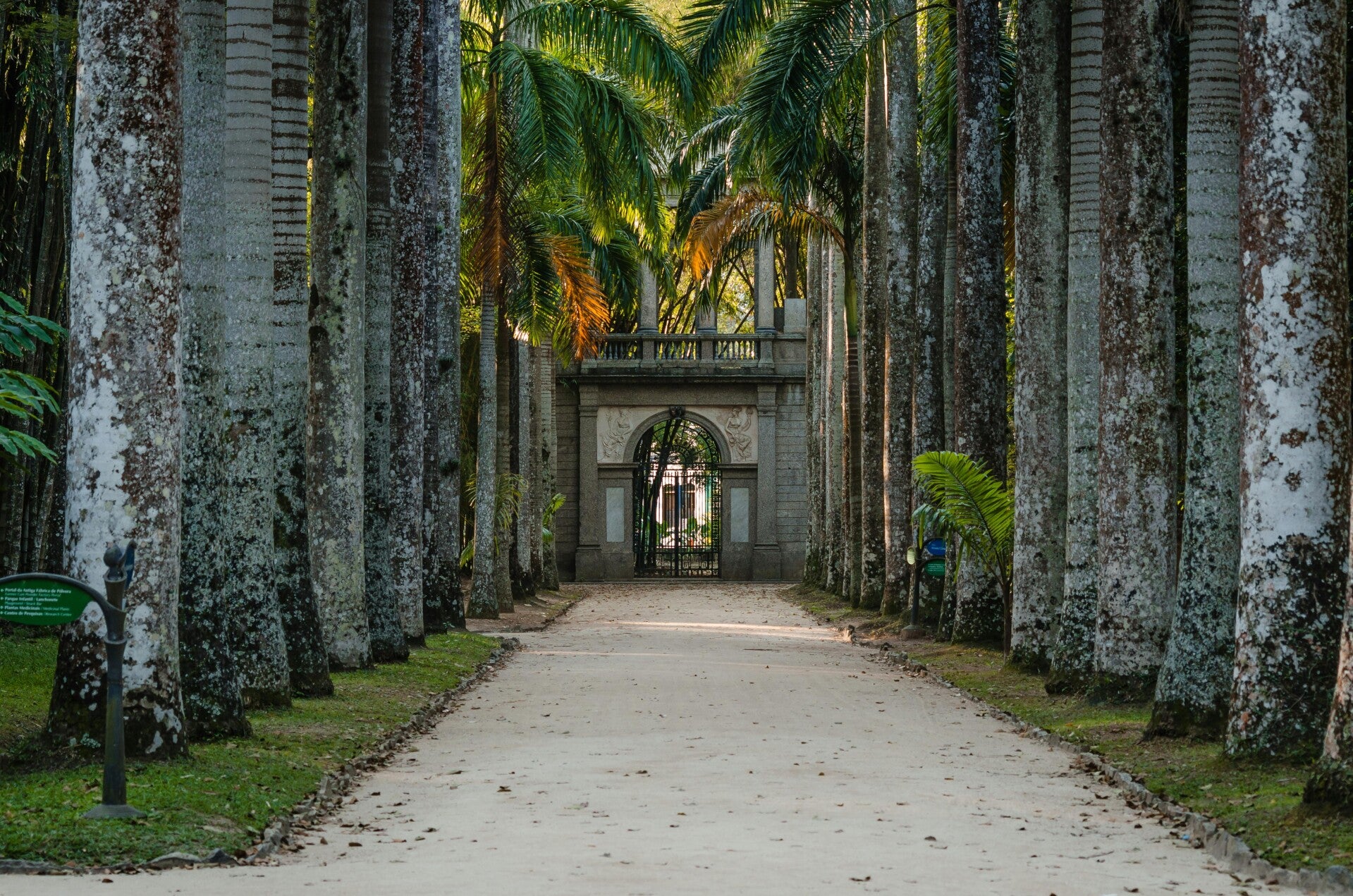
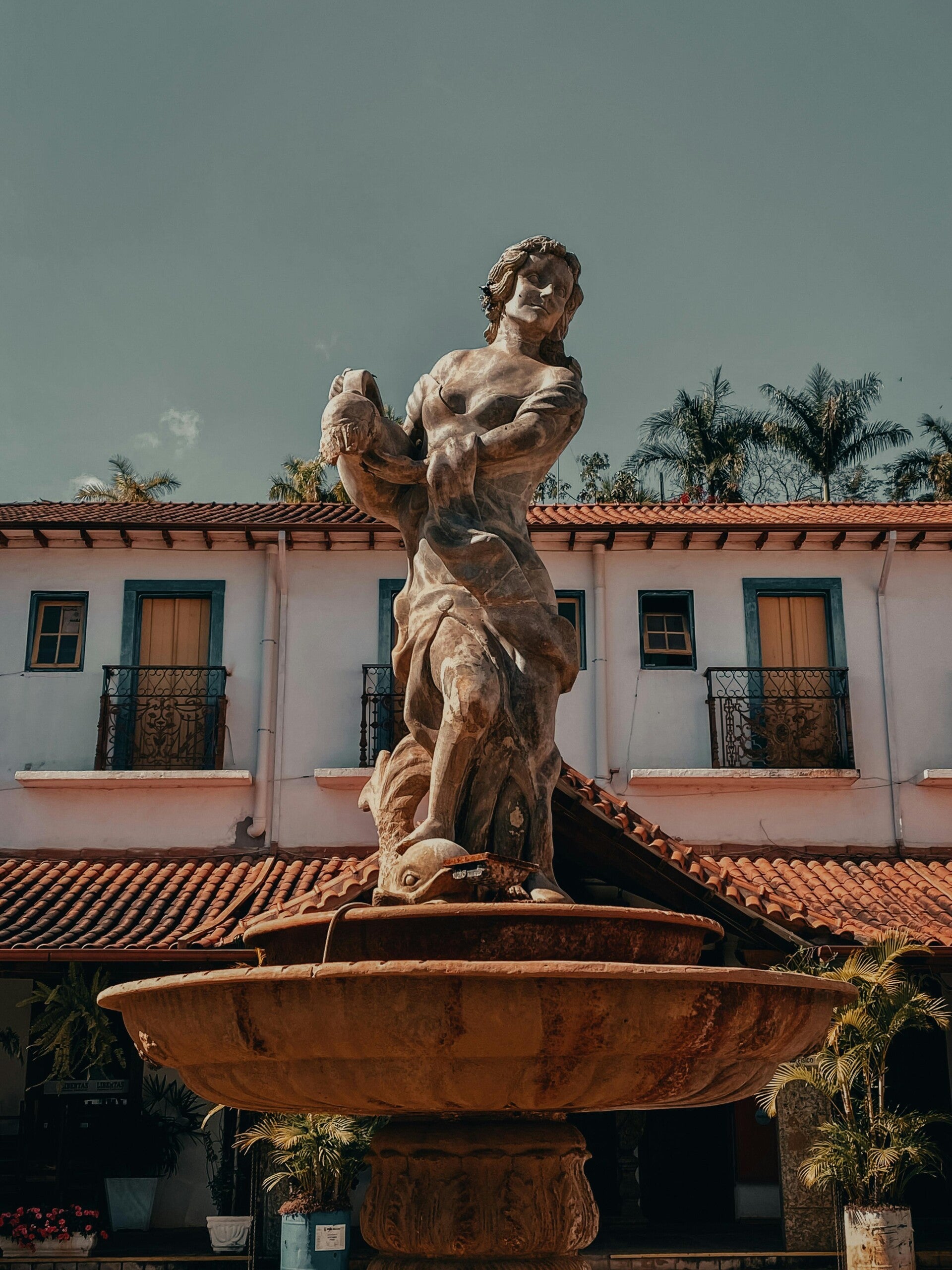
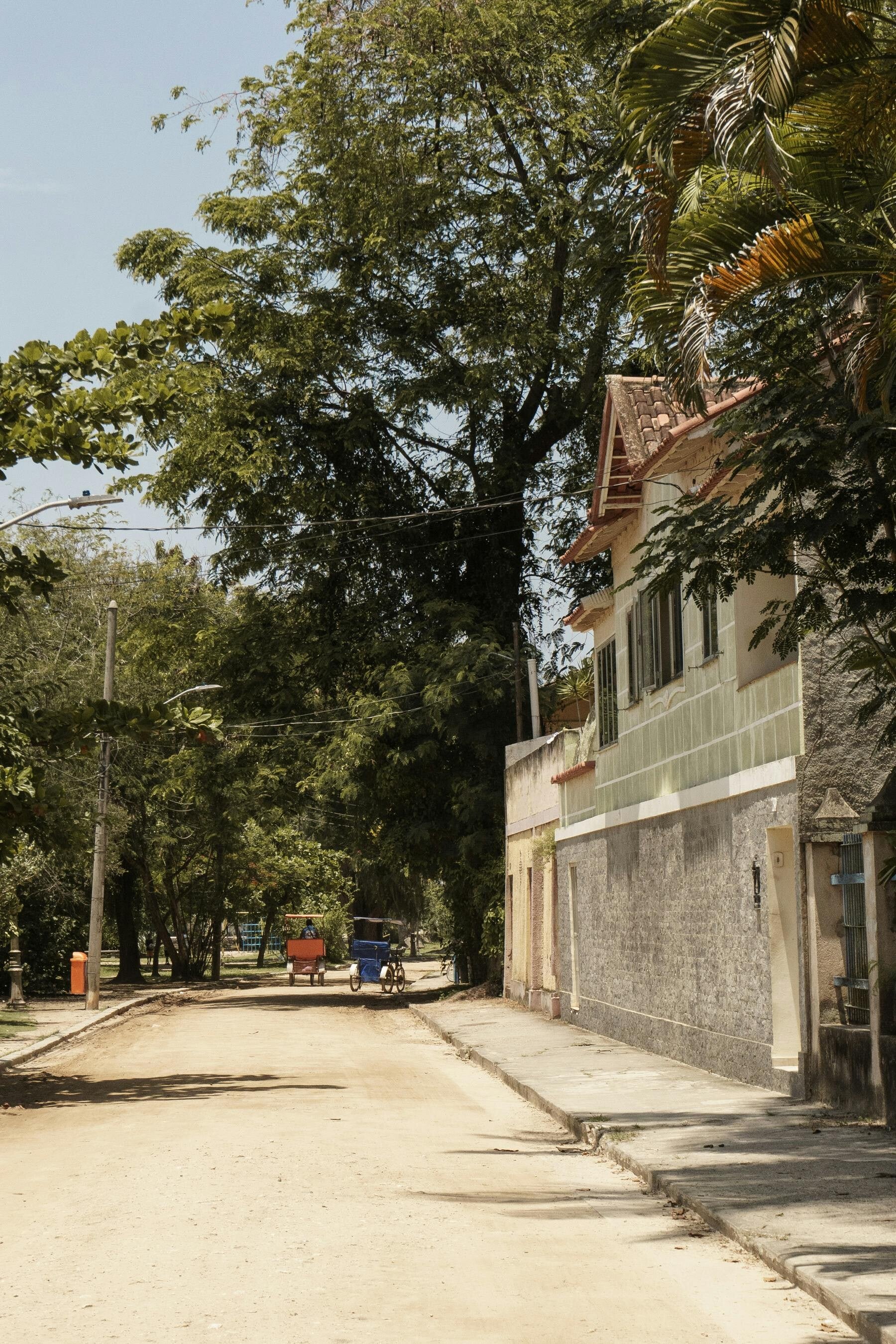
Rio de Janeiro – The Marvelous City
Where mountains, ocean, and rhythm shape everyday life



More to explore in South America


Central America

San José
San José is the cultural and logistical heart of Costa Rica. Neighborhoods, markets, museums, and cafés exist side by side, shaping a city defined by time, local traditions, and daily life.
North America

New York
New York City is one of the world’s most influential cities, shaped by ambition, diversity, and constant reinvention across its five unique boroughs.

Los Angeles
Los Angeles is spread out, creative, and deeply connected to lifestyle. From beaches and hills to studios and neighborhoods, the city feels less like one place and more like many experiences woven together.

Vancouver
Vancouver balances urban comfort with immediate access to nature. Mountains, forests, and ocean shape daily life, creating a calm and outdoors-focused atmosphere.
