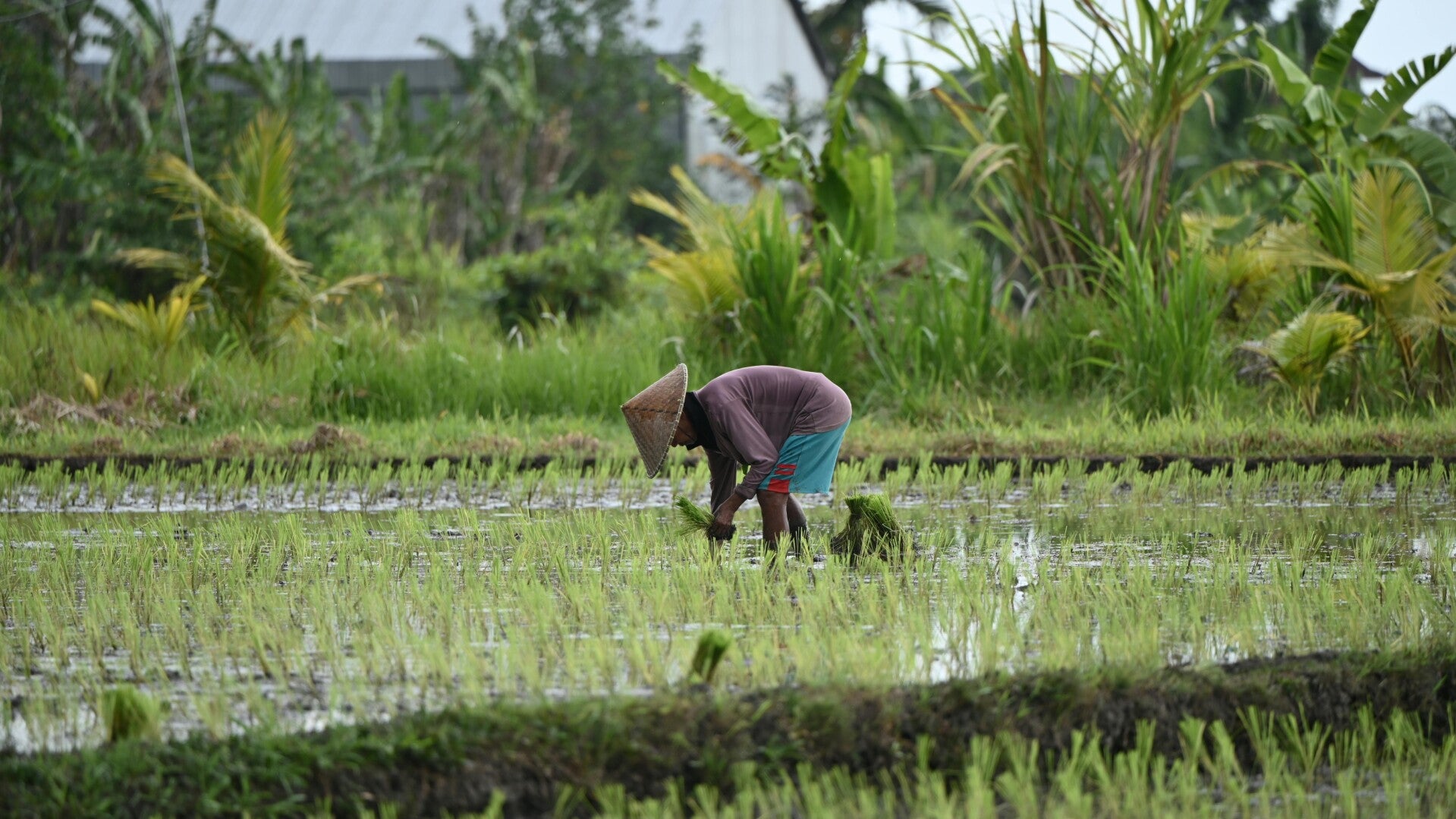
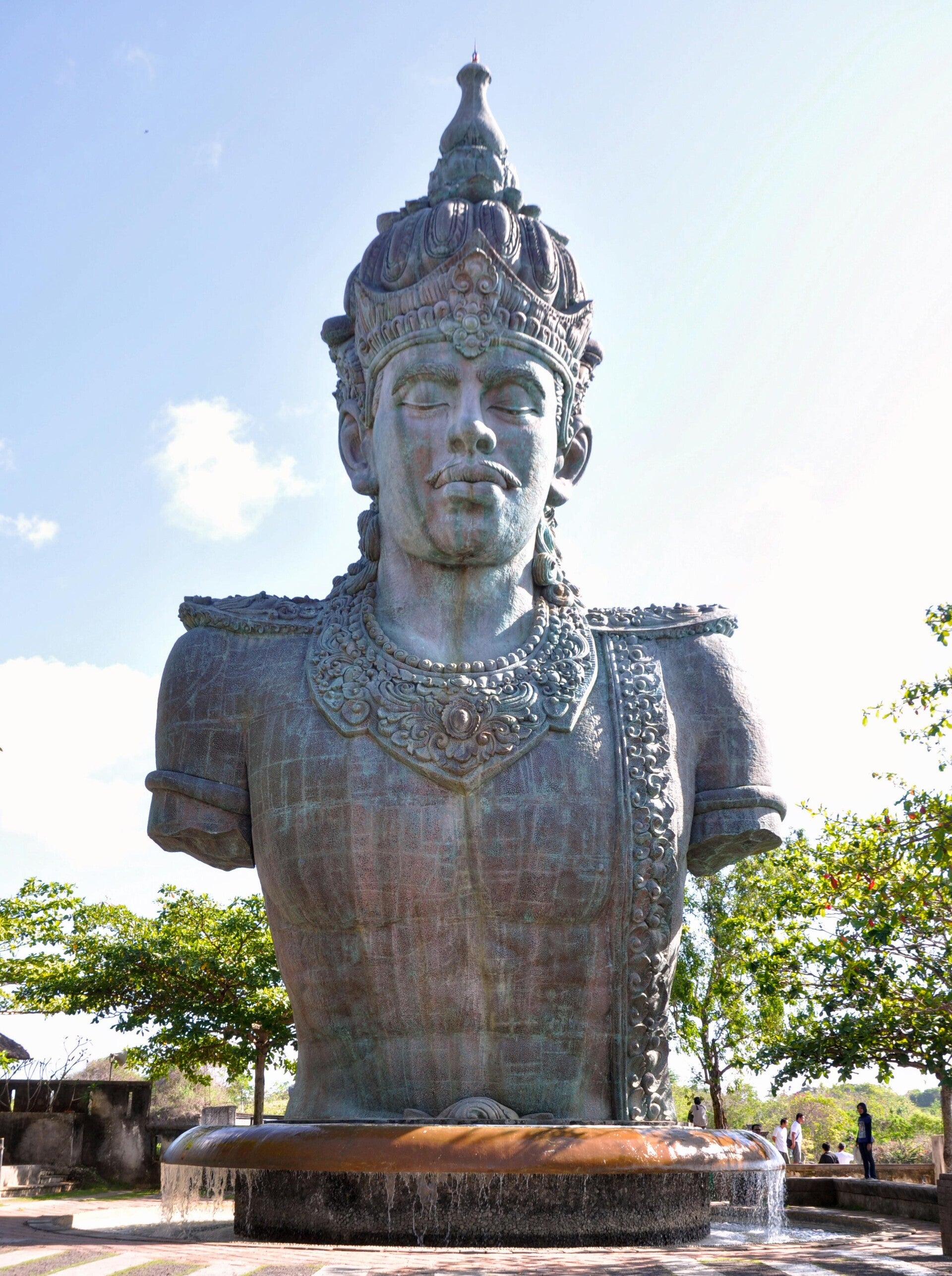
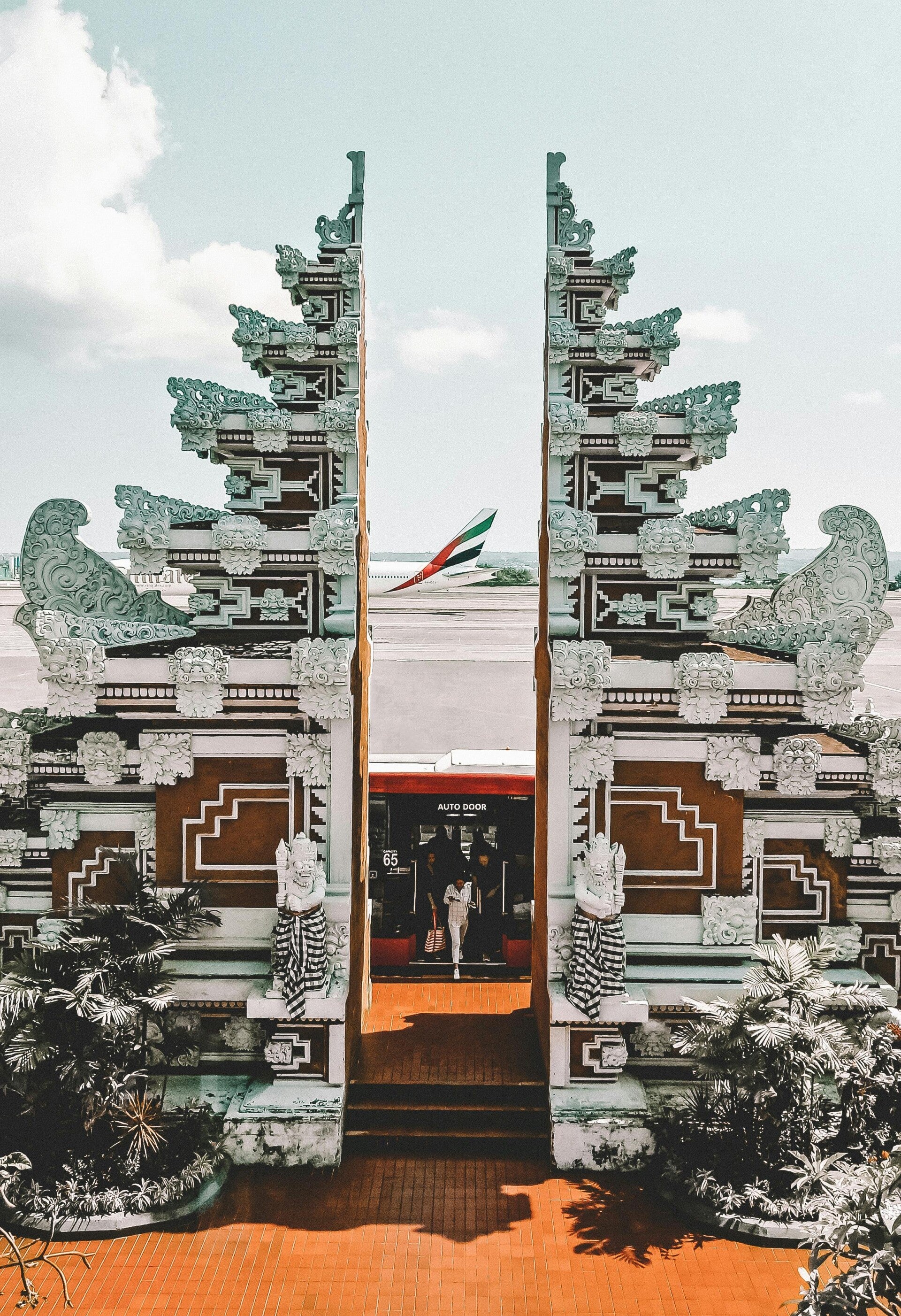
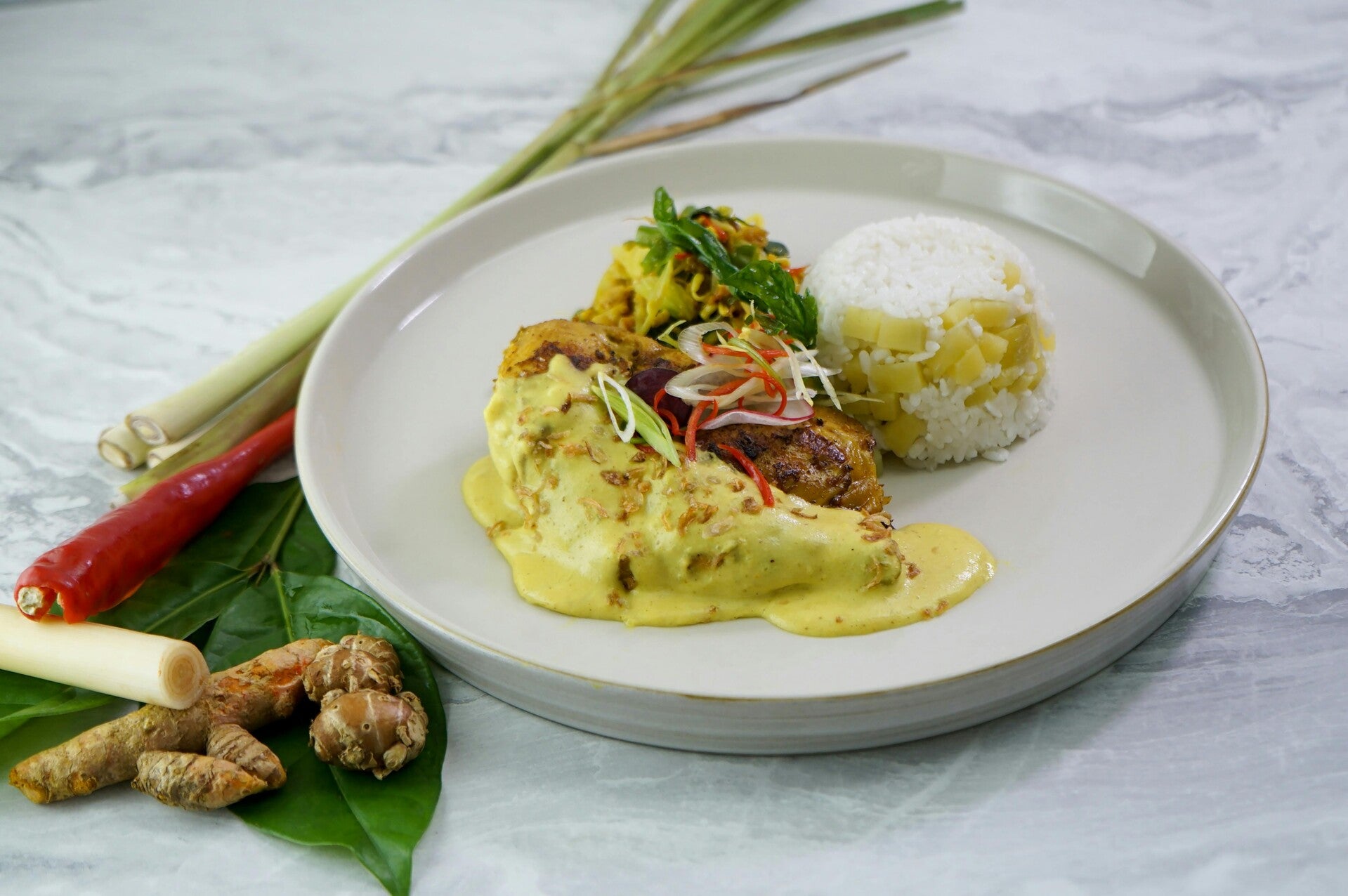
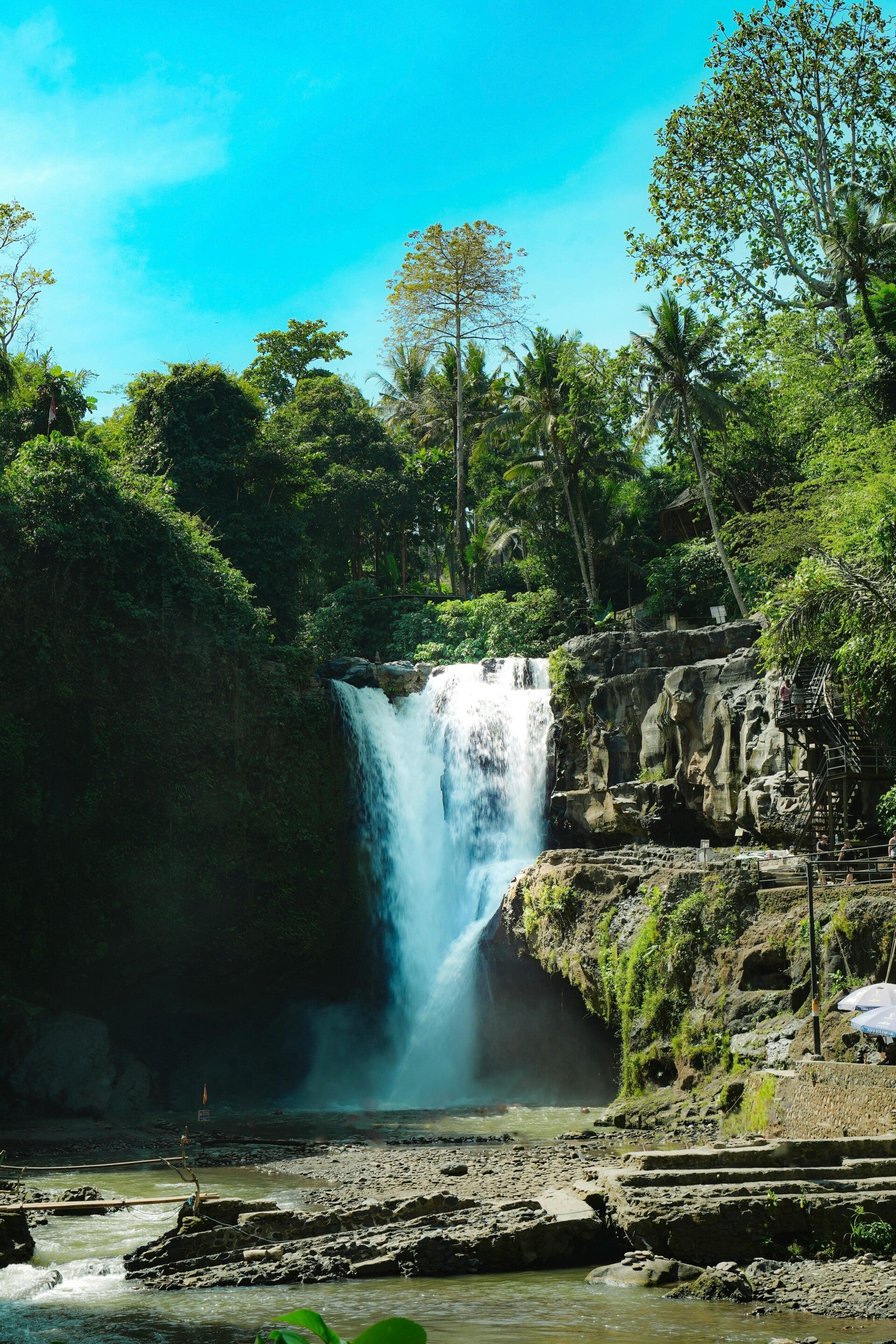
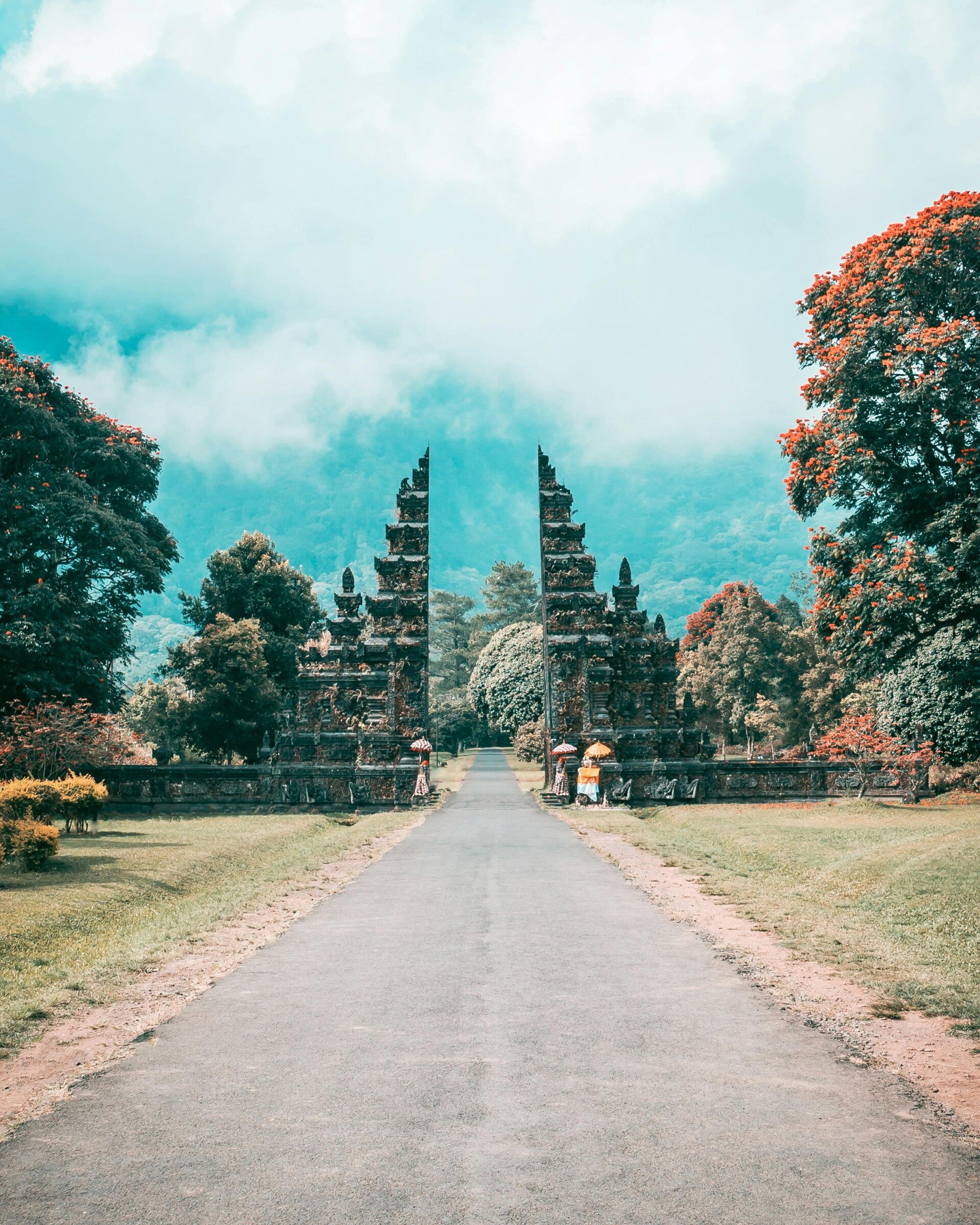
Bali moves differently. Daily offerings rest on sidewalks, temple ceremonies shape the calendar, and life flows between ocean, jungle, and volcanic landscapes. While often associated with beaches and resorts, the island’s identity runs deeper, rooted in Balinese Hindu tradition, craftsmanship, and community life.
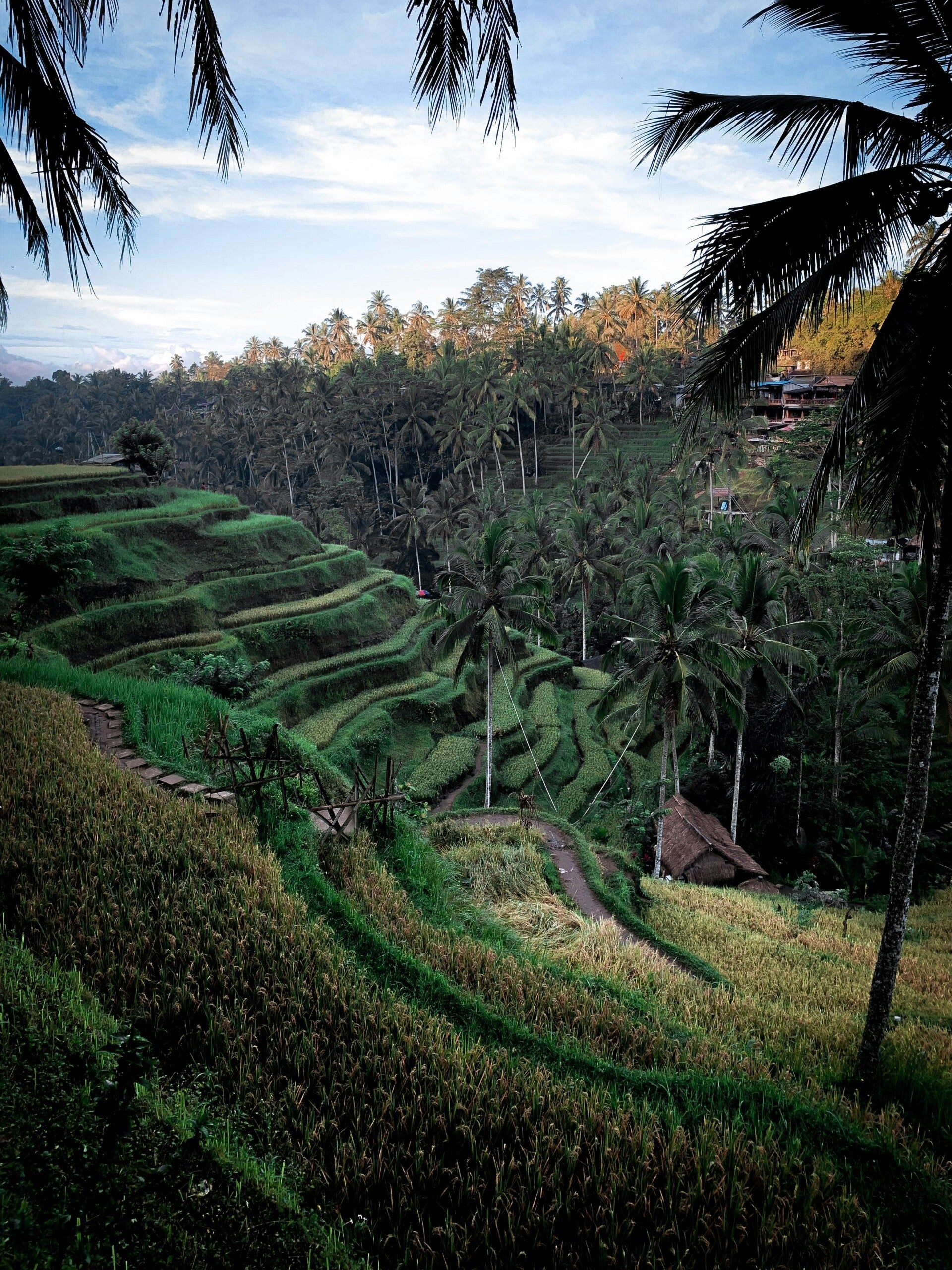
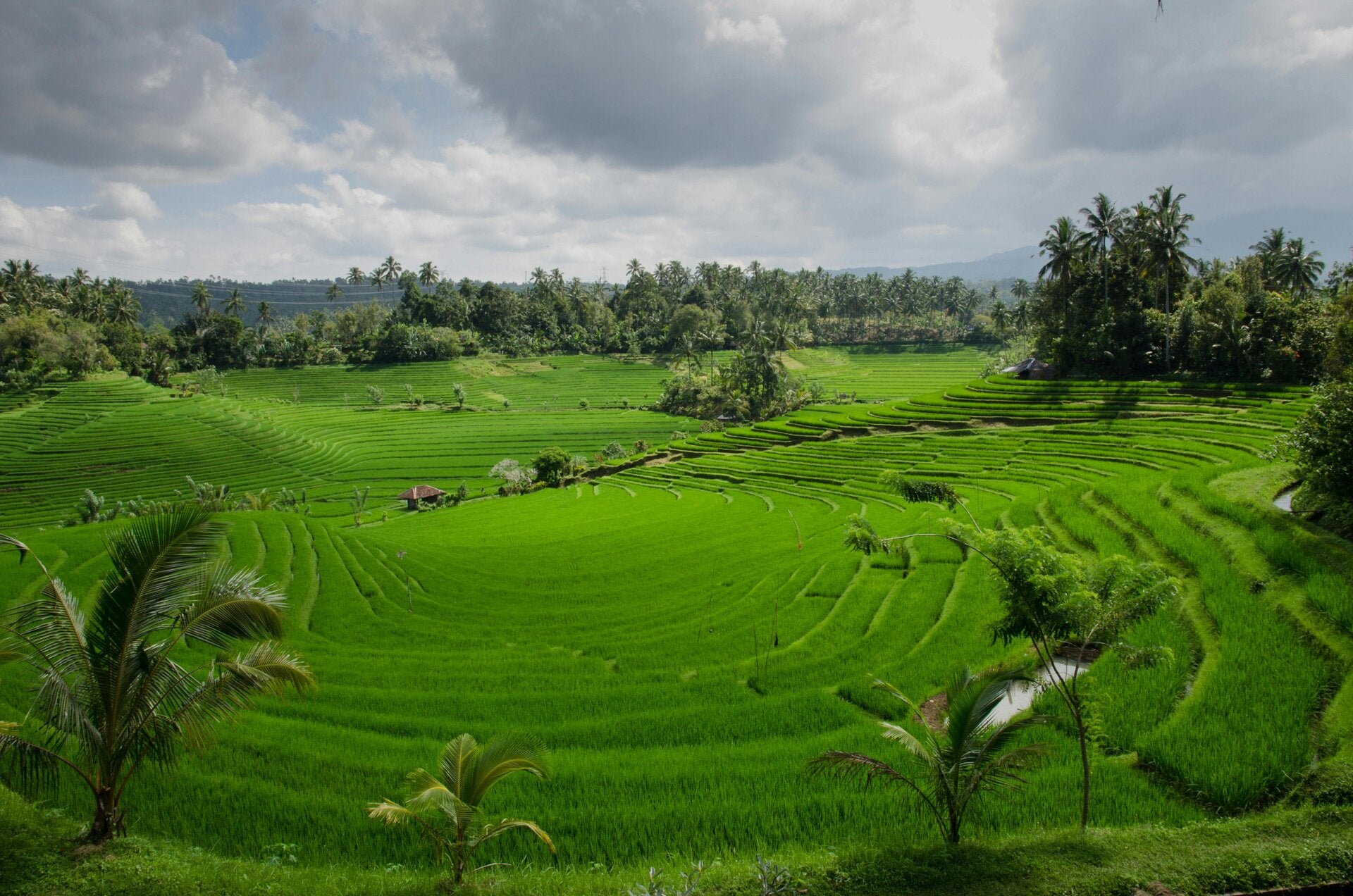
Each region carries its own atmosphere. Ubud centers around culture and rice terraces, the southern coast blends surf and sunsets, and quieter northern areas offer a slower, less-developed pace. Bali rewards travelers who look beyond highlights and engage with its rituals and natural surroundings.
Know before you go
-
Language: Indonesian (Bahasa Indonesia); Balinese widely spoken locally
-
Currency: Indonesian Rupiah (IDR)
-
Capital: Denpasar
-
Visa: Passport required; many nationalities receive visa on arrival for tourism
-
Power plugs: Type C & F
Flights
Most international travelers arrive via Ngurah Rai International Airport (DPS) in Denpasar. Bali is well connected to major Asian hubs, Australia, and parts of the Middle East.
Airport transfers can take time depending on traffic and destination area, so planning arrival transport in advance can make the transition smoother.
Transportation
Public transport in Bali is limited. Most travelers rely on private drivers, taxis, or scooter rentals to move between towns and beaches.
For airport transfers and longer journeys between regions, pre-arranged transport offers comfort and reliability, especially with luggage. Distances may look short on a map, but traffic and road conditions can extend travel time.
Safety
Bali is generally safe for travelers. Petty theft can occur in busy tourist areas, so keeping belongings secure is recommended.
Road safety is the primary concern, particularly for those renting scooters. Wearing helmets and driving cautiously is essential. Natural conditions, including ocean currents and volcanic activity, should also be respected.
Climate
Bali has a tropical climate with two main seasons:
-
Dry season (May–September): Sunny days, lower humidity, ideal for outdoor exploration
-
Rainy season (October–April): Short but heavy downpours, greener landscapes, fewer crowds
The dry season is typically the most comfortable time to visit, though Bali remains warm year-round.
Budget
Bali offers options for nearly every budget. Local guesthouses and warungs (small restaurants) are affordable, while luxury villas and wellness retreats cater to higher-end travel.
Transport and tours vary in cost depending on distance and customization, but daily expenses can remain manageable with thoughtful planning.