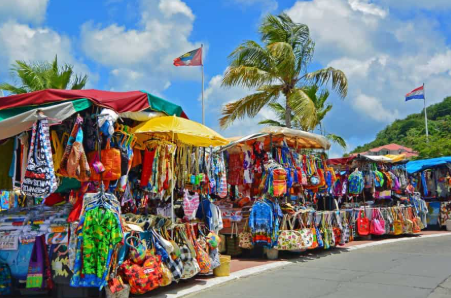
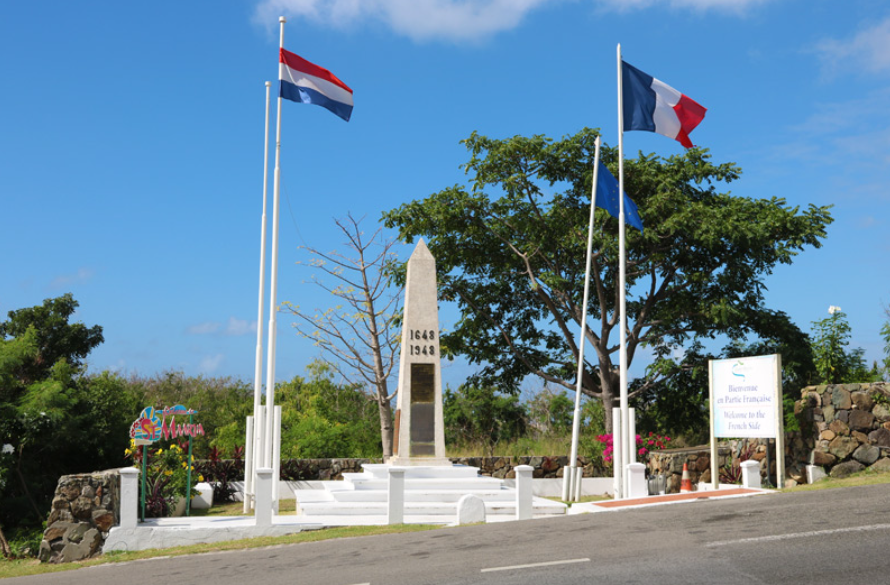
Sint Maarten is a small island with a dual identity. The southern side belongs to the Kingdom of the Netherlands, while the northern side is French Saint-Martin. Despite the border, the island feels seamless, a blend of Caribbean ease and European influence.
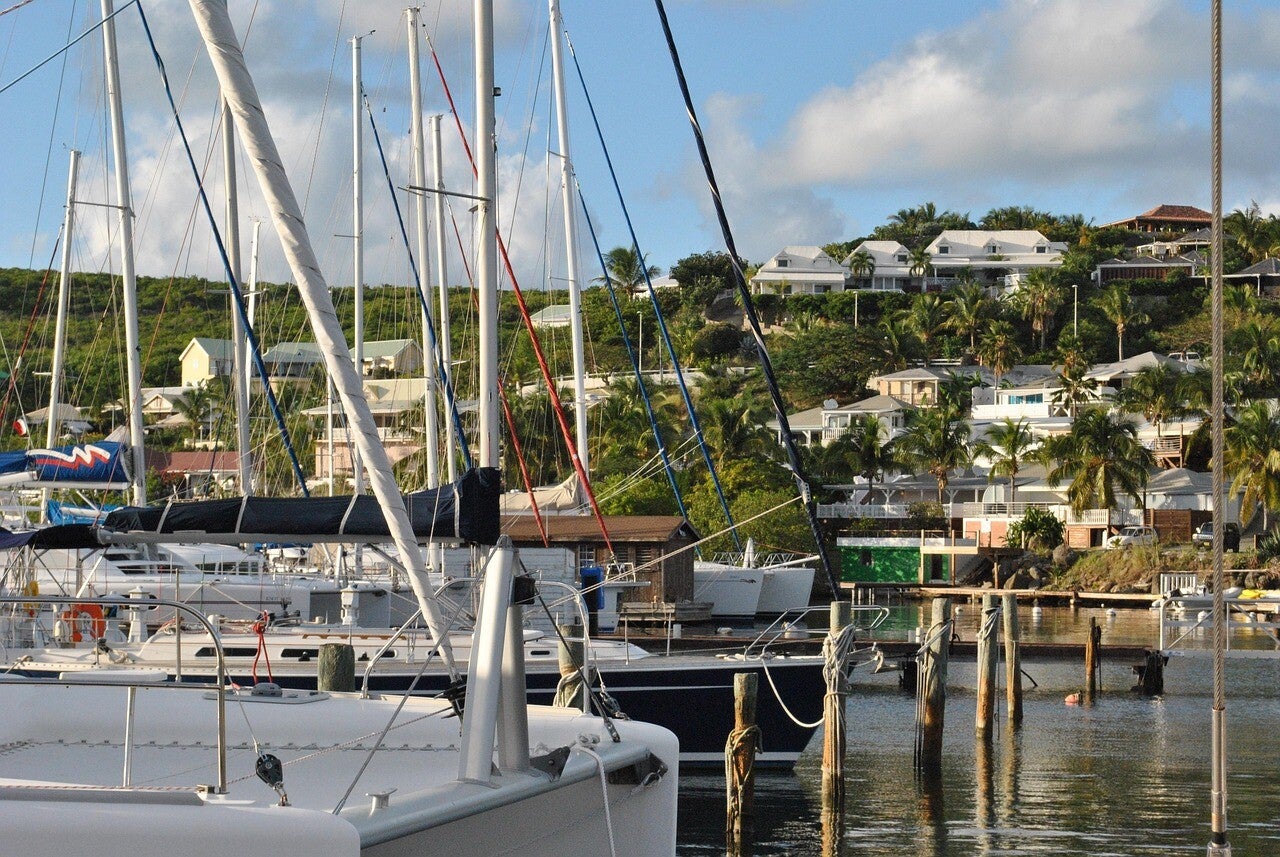
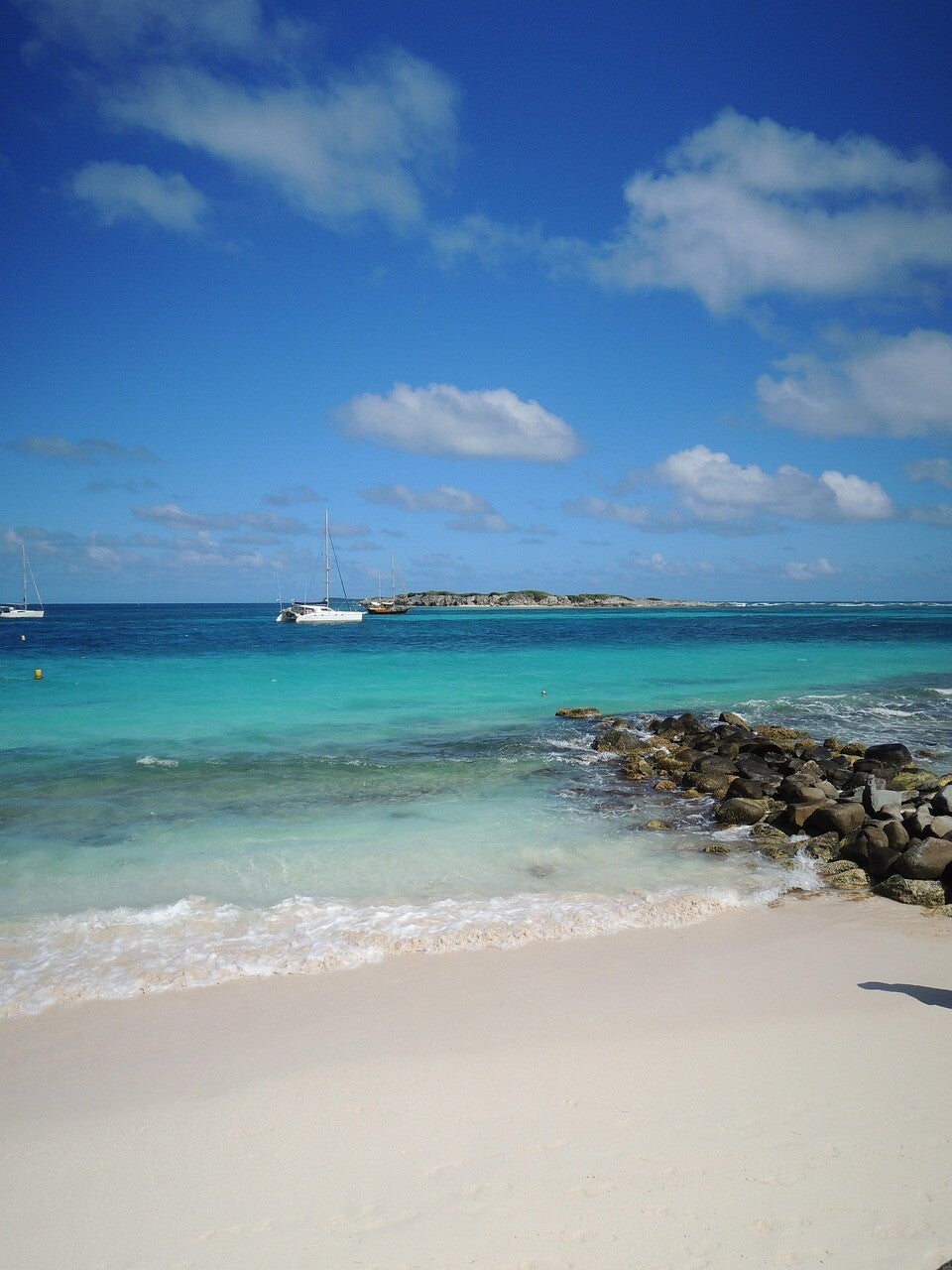
Life here revolves around the sea. Beaches shift from lively and social to quiet and tucked away, marinas fill with sailboats at sunset, and roadside restaurants serve fresh seafood with ocean views. Compact and easy to navigate, Sint Maarten offers variety without long travel distances.
Know before you go
-
Language: Dutch and English (French widely spoken on the northern side)
-
Currency: Netherlands Antillean Guilder (ANG) on the Dutch side; Euro (EUR) on the French side. US Dollars widely accepted.
-
Capital: Philipsburg (Dutch side) / Marigot (French side)
-
Visa: Passport required; entry requirements depend on nationality. Many travelers from Europe and North America enter visa-free for tourism.
-
Power plugs: Type A, B & F
Flights
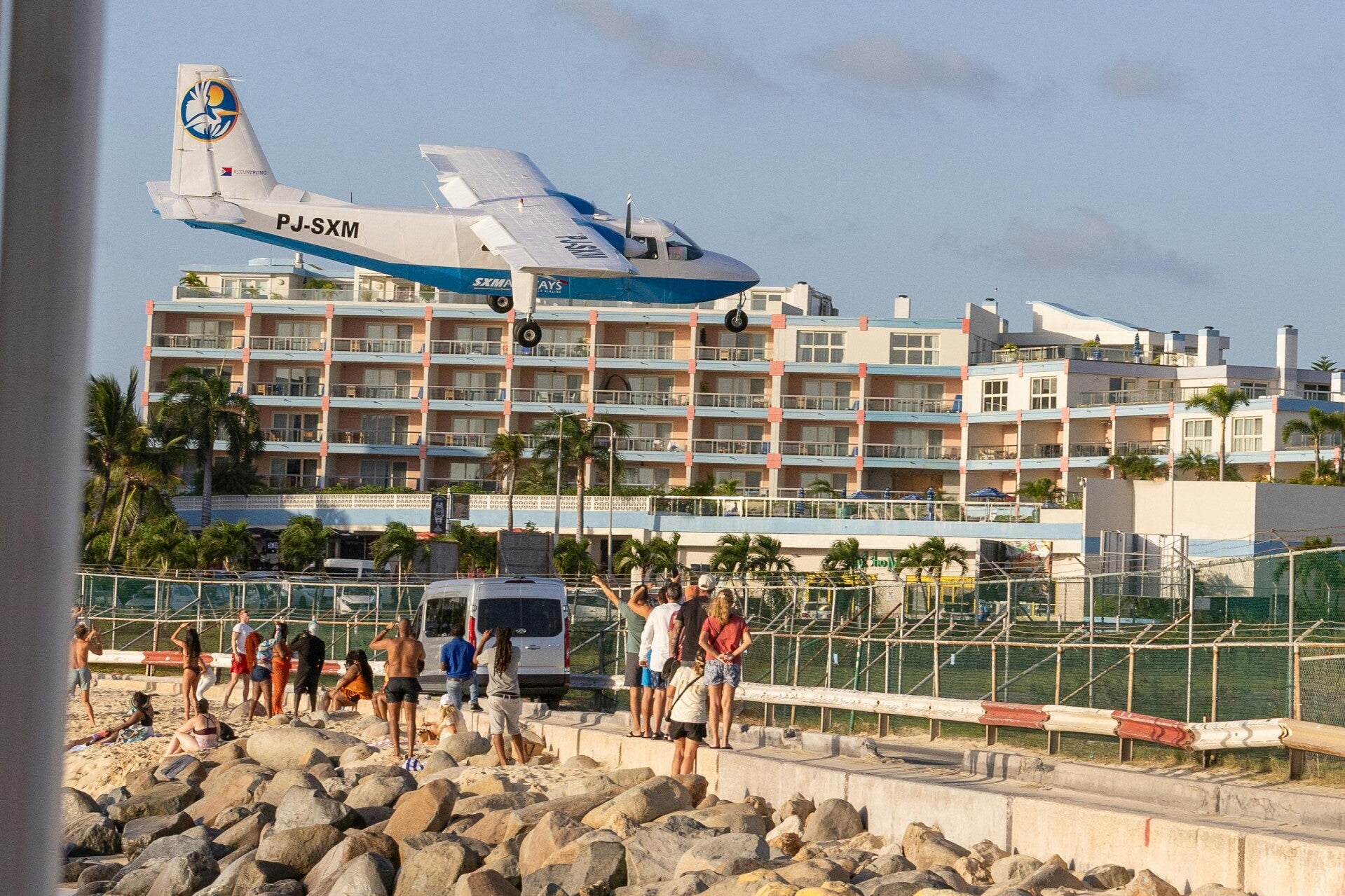
Most travelers arrive via Princess Juliana International Airport (SXM), one of the Caribbean’s best-known airports due to its famous runway approach over Maho Beach.
The island is well connected to North America, Europe, and other Caribbean hubs, making it an accessible option for both short stays and longer island travel.
Transportation
Sint Maarten is small but best explored by car. Renting a vehicle allows flexibility to visit multiple beaches, viewpoints, and both sides of the island in one day.
Taxis are available but can become expensive for frequent trips. Roads are generally easy to navigate, though traffic may build during peak hours. For airport transfers or marina pickups, pre-arranged transport offers added ease, especially during busy seasons.
Safety
Sint Maarten is considered relatively safe for visitors, particularly in tourist areas, beaches, and marinas. Petty theft can occur, so valuables should not be left unattended on beaches or in vehicles.
Using standard travel precautions and staying aware at night in quieter areas ensures a smooth experience. The island’s tourism infrastructure makes it comfortable for first-time Caribbean travelers.
Climate
Sint Maarten has a tropical climate with warm temperatures year-round.
Dry season (December–April) offers sunny days, lower humidity, and ideal beach conditions. This is peak travel season.
Hurricane season (June–November) brings higher humidity and occasional storms, particularly between August and October. Travel during this period can mean fewer crowds and lower prices, but weather flexibility is important.
Temperatures remain consistently warm throughout the year.
Budget
Sint Maarten offers options across different travel styles. Beach hotels and guesthouses provide mid-range stays, while luxury resorts and private villas cater to higher budgets.
Dining ranges from casual beach bars to fine French-Caribbean restaurants. Car rental adds to overall costs but provides valuable flexibility. Compared to some Caribbean islands, Sint Maarten offers solid value, especially outside peak season.