

Curaçao
Know before you go
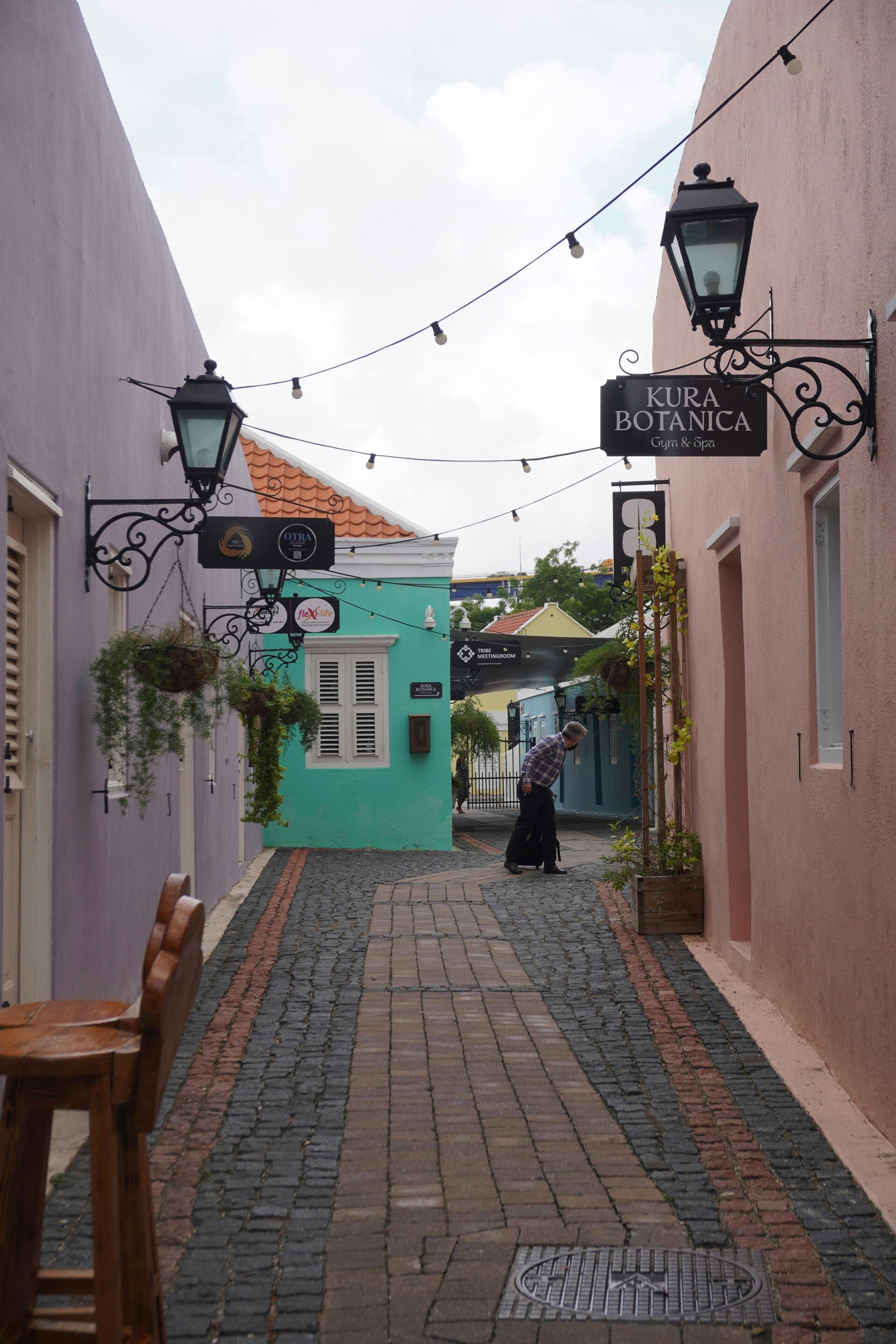
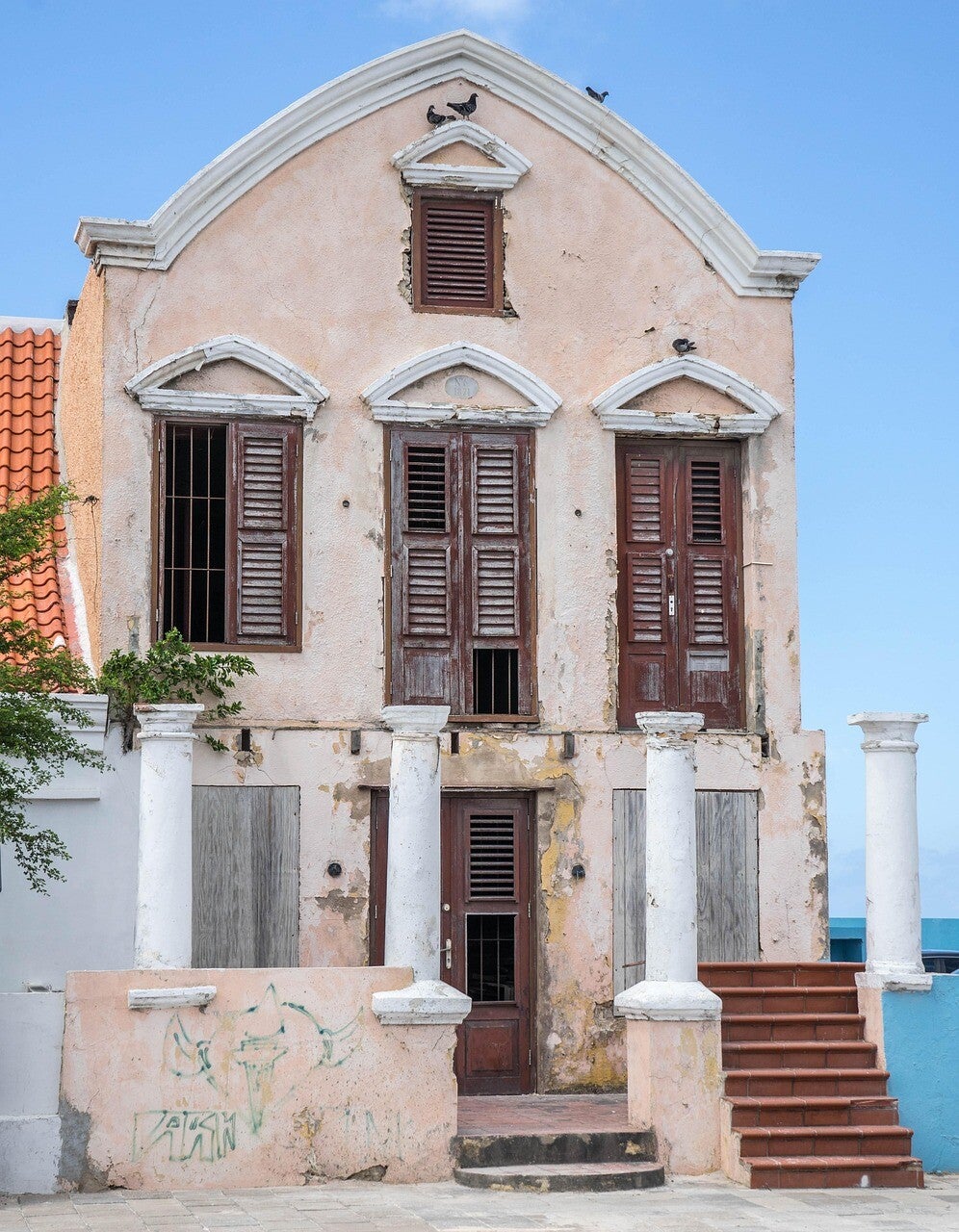
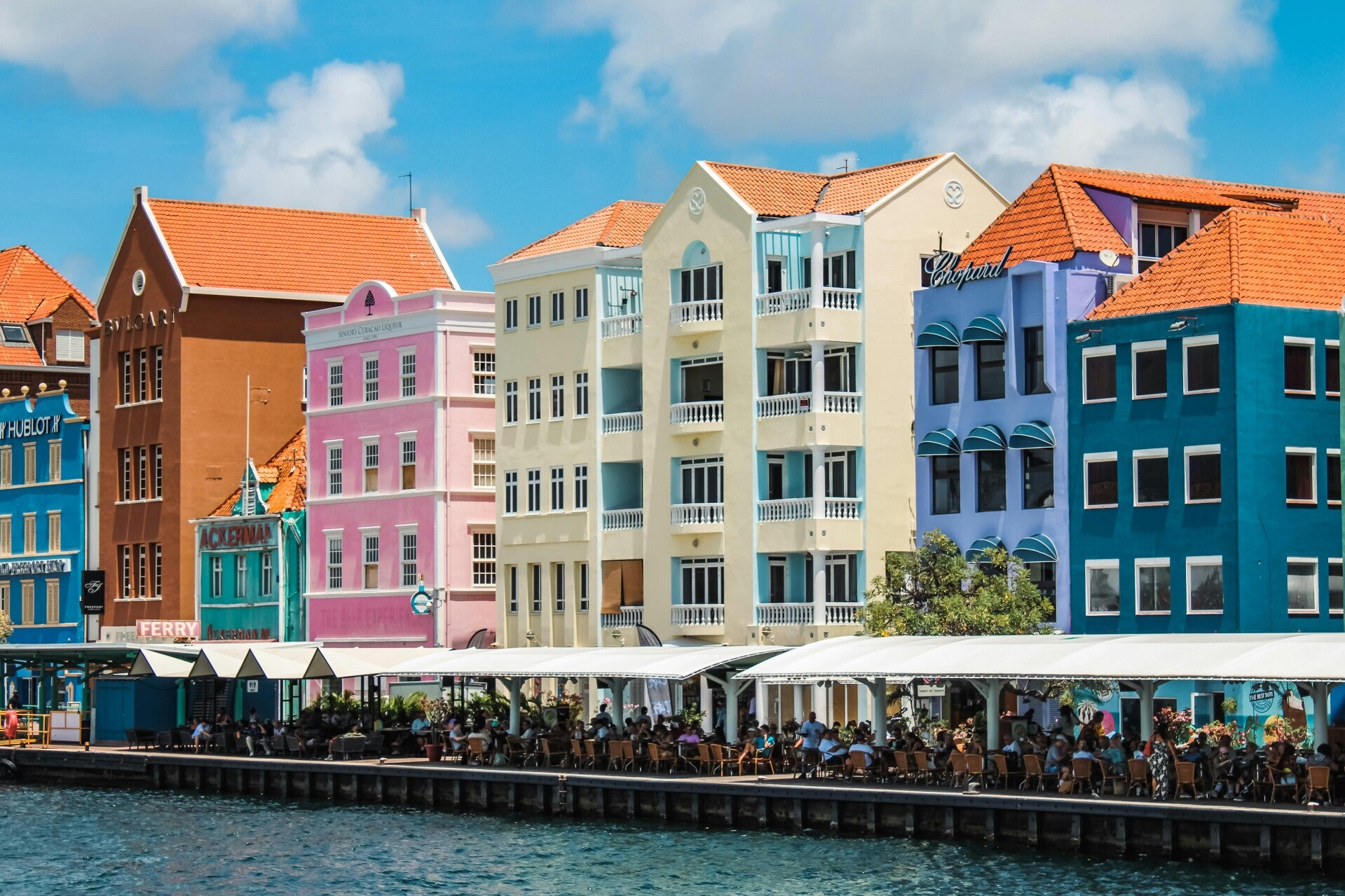
Curaçao stands apart in the Caribbean for its strong cultural identity and vibrant architecture. The capital, Willemstad, is known for its pastel-colored waterfront buildings, a reflection of Dutch colonial influence blended with Caribbean character.
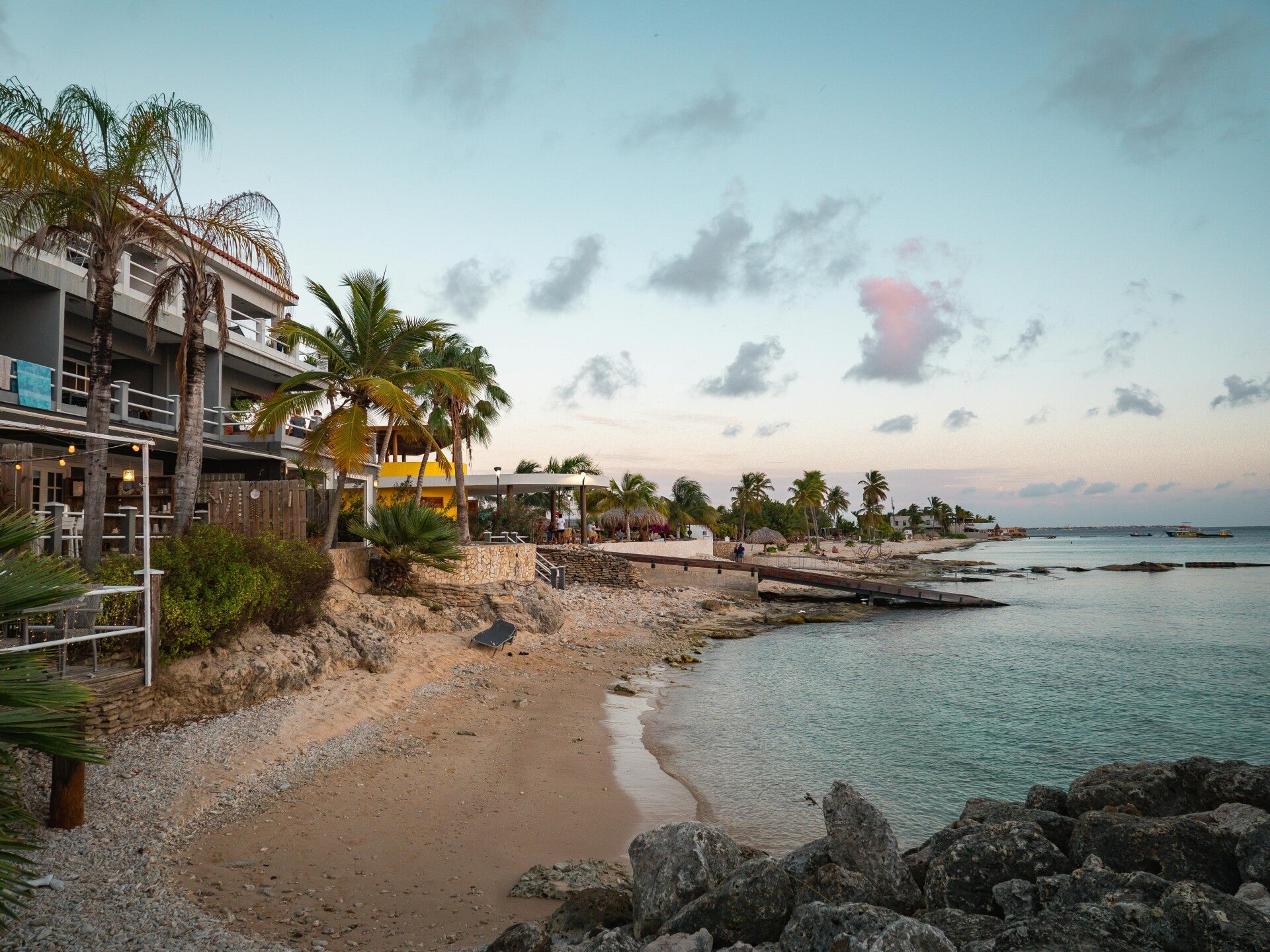
Beyond the city, the island opens into rugged coastlines, small coves with clear turquoise water, and dry, cactus-lined landscapes. Curaçao feels less resort-focused and more lived-in, offering travelers a mix of beach days, cultural exploration, and local rhythm.
-
Language: Dutch, Papiamentu, and English widely spoken
-
Currency: Netherlands Antillean Guilder (ANG); US Dollars widely accepted
-
Capital: Willemstad
-
Visa: Passport required; many nationalities receive visa-free entry for tourism
-
Power plugs: Type A, B & F
Flights
Curaçao International Airport (CUR) connects the island to North America, Europe, and regional Caribbean destinations. Direct flights are available from major hubs, making it accessible for both short stays and extended visits.
The airport is located about 20 minutes from Willemstad.
Transportation
Public transport on Curaçao is limited, so renting a car is the most practical way to explore the island. Many of the best beaches and natural areas are spread out and not easily reachable without private transport.
Roads are generally well maintained, and distances are manageable. Taxis are available but can be costly for frequent use.
Safety
Curaçao is considered one of the safer Caribbean islands for visitors. Tourist areas and beaches are generally calm, though petty theft can occur.
As with any destination, keeping belongings secure and avoiding isolated areas after dark ensures a comfortable stay. The island’s relaxed atmosphere contributes to an overall sense of ease.
Climate
Curaçao has a warm, dry climate year-round and lies outside the main hurricane belt.
Dry season (January–September) offers consistent sunshine and low rainfall, making it ideal for beach days and snorkeling.
Rainy season (October–December) brings short showers, but extended periods of rain are uncommon.
Temperatures remain steady throughout the year, with cooling trade winds providing relief from the heat.
Budget
Curaçao caters to a range of travel styles. Boutique hotels and apartments offer mid-range options, while upscale beachfront resorts serve higher-end travelers.
Dining includes everything from local eateries serving Caribbean dishes to international restaurants in Willemstad. Car rental is an added expense but essential for fully exploring the island.
Tours & attractions
Must-do activities and tours across Curaçao
Blog post
My latest post about Curaçao
Curaçao – Colorful shores of the Southern Caribbean
Pastel architecture, hidden coves, and a rhythm shaped by heritage





More to explore in the Caribbean

Punta Cana
Punta Cana is known for its long stretches of white sand, calm turquoise waters, and relaxed tropical atmosphere. Located on the eastern tip of the Dominican Republic, the region is shaped by coastline rather than city life.

Sint Maarten
Sint Maarten is a small island with a dual identity. The southern side belongs to the Kingdom of the Netherlands, while the northern side is French Saint-Martin. Despite the border, the island feels seamless, a blend of Caribbean ease and European influence.
