Punta Cana
Know before you go
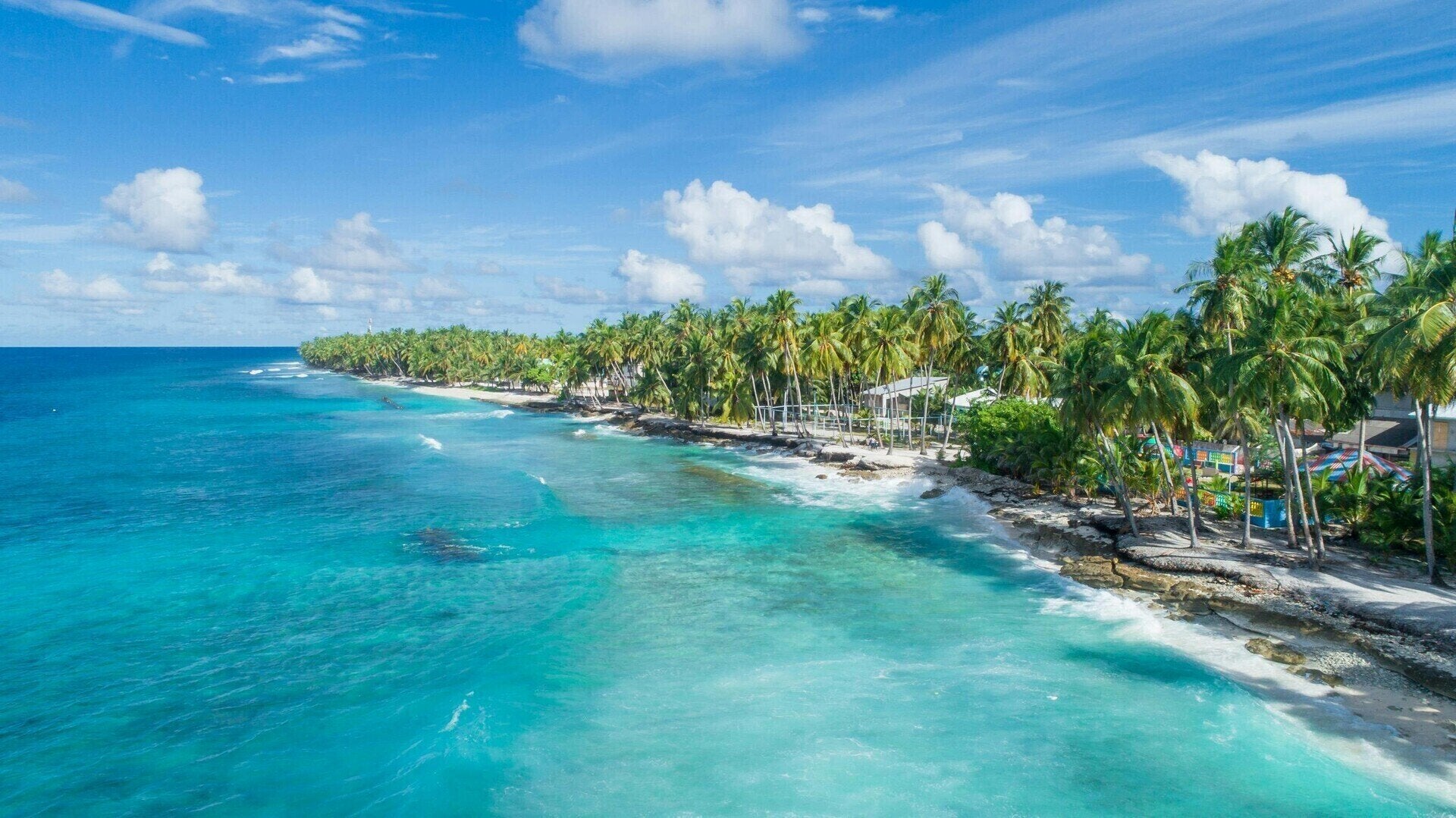
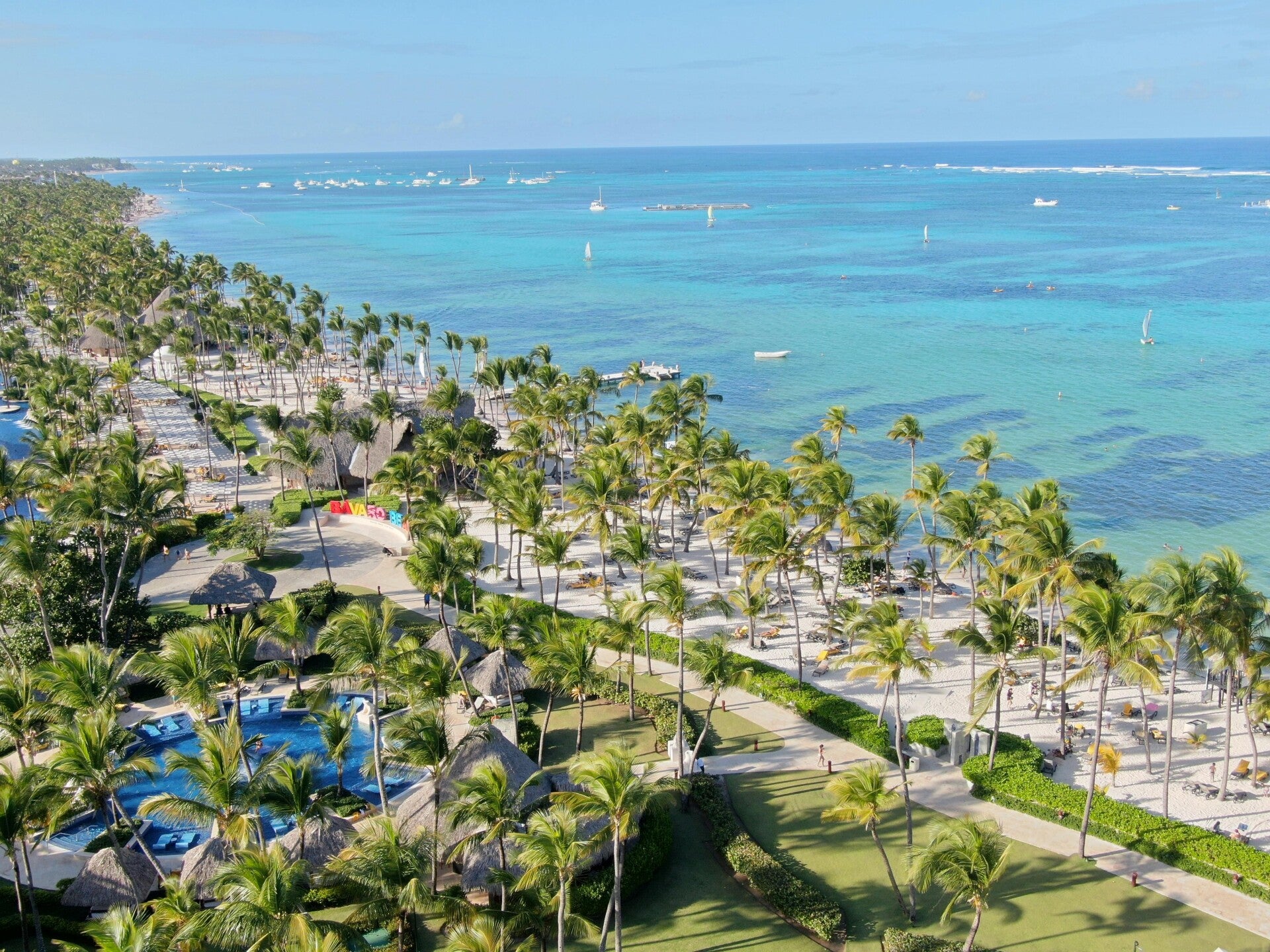
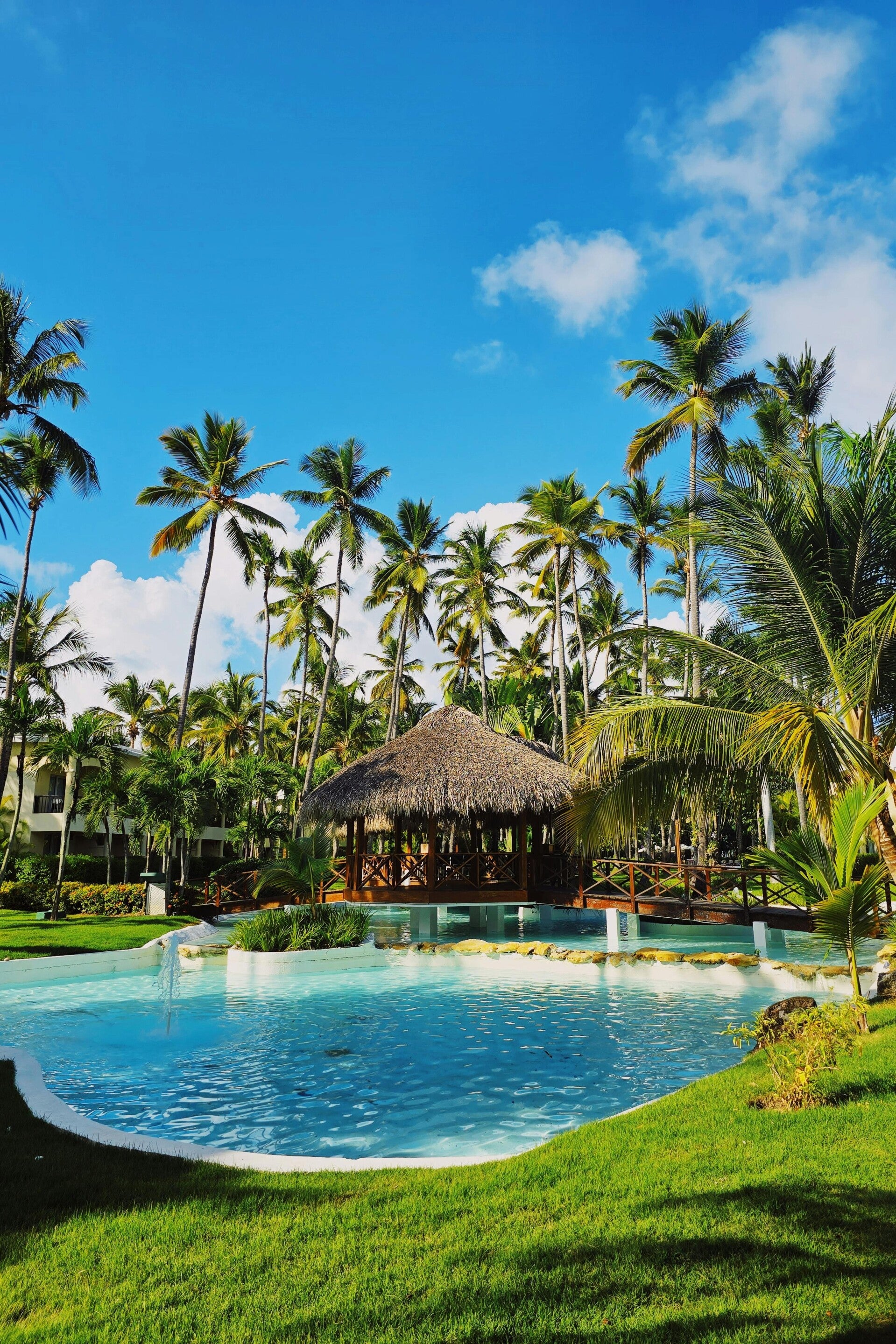
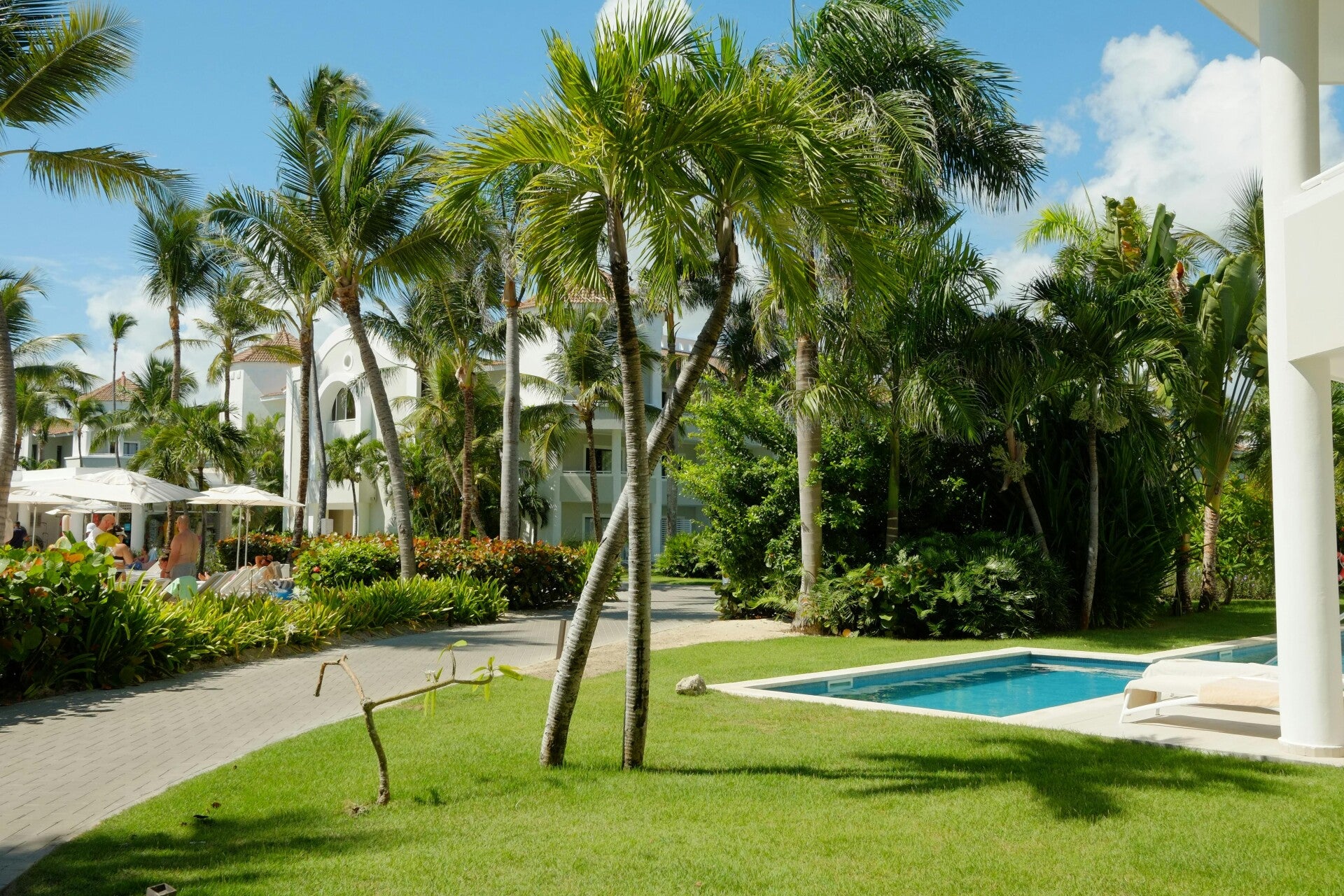
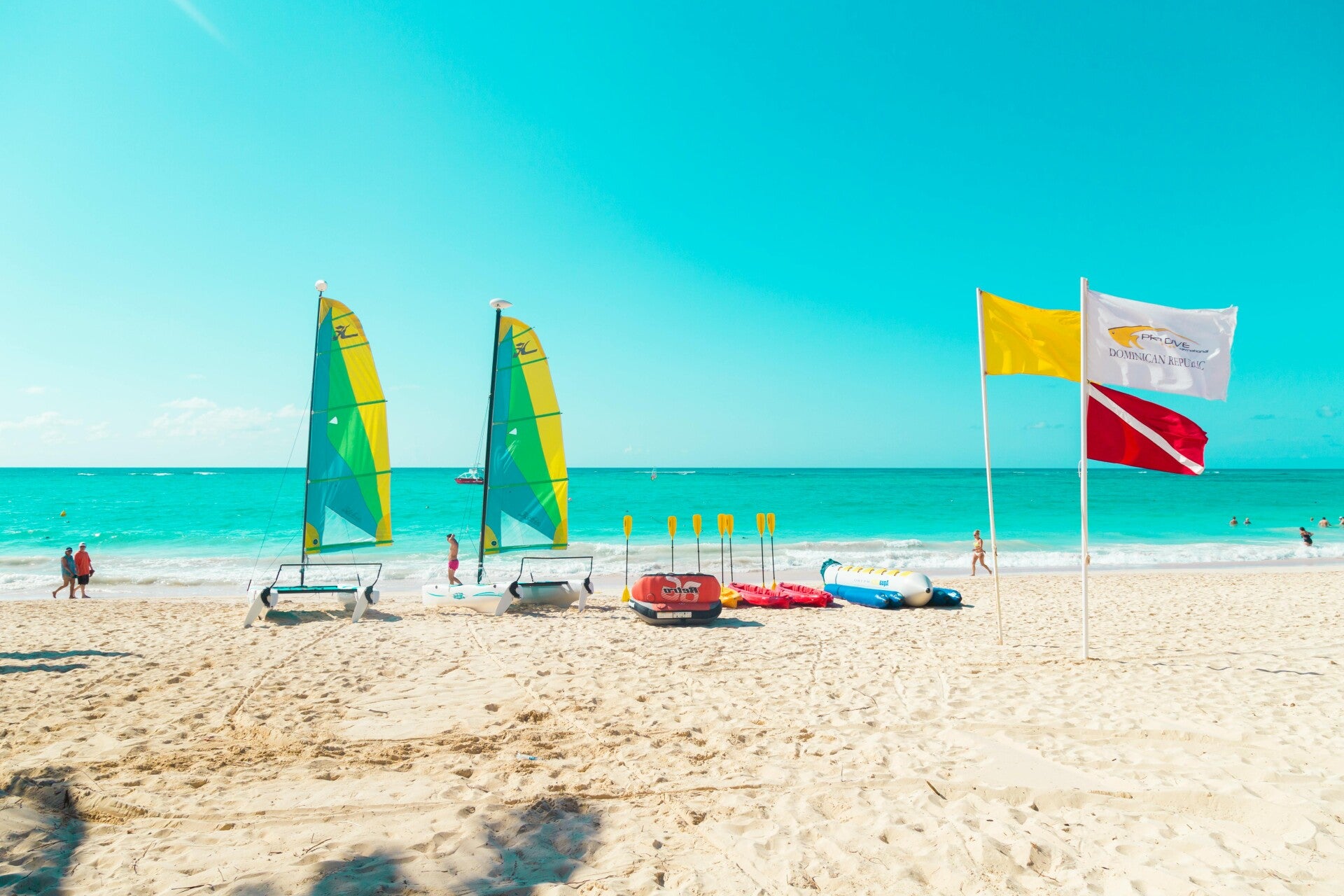
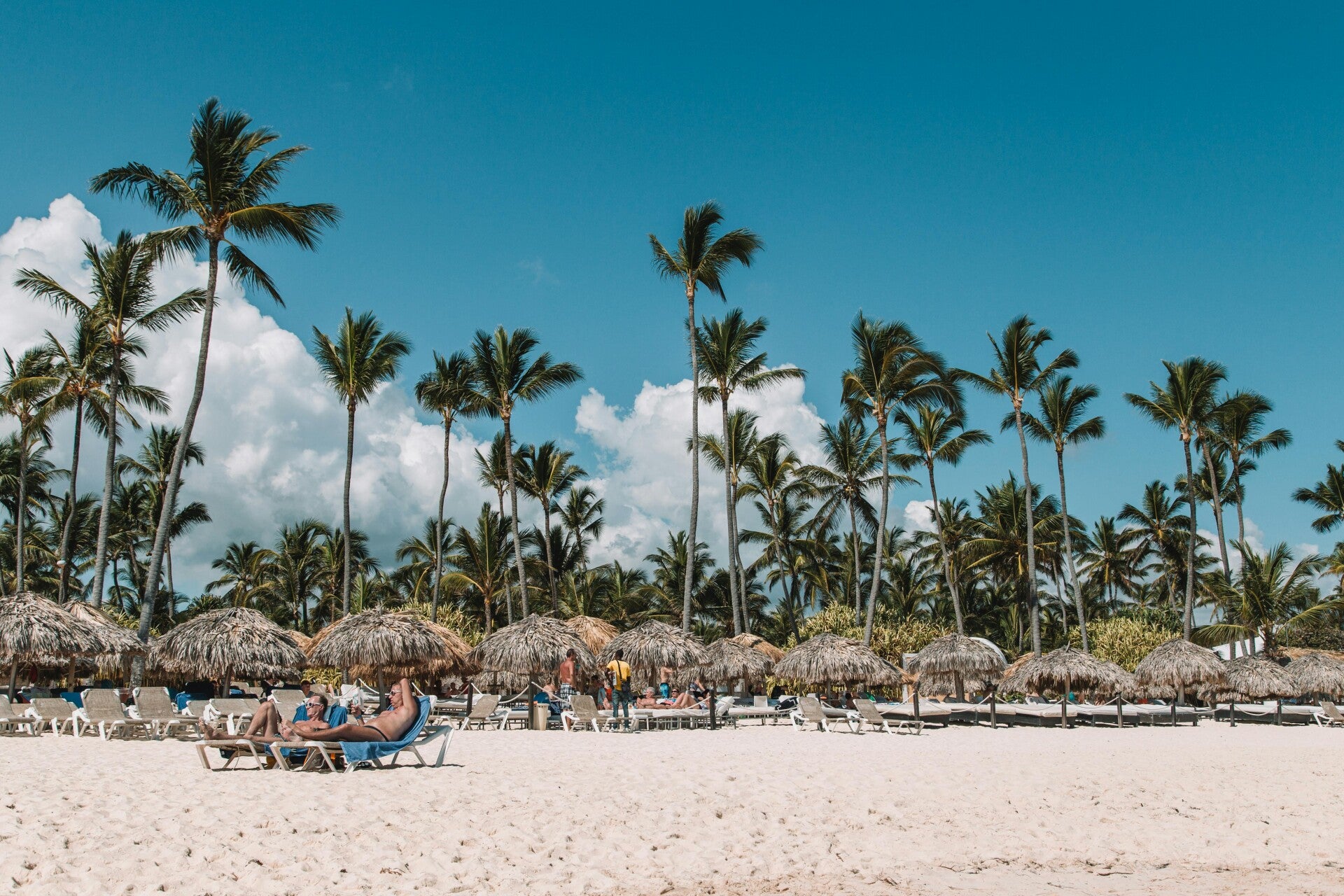
Punta Cana is known for its long stretches of white sand, calm turquoise waters, and relaxed tropical atmosphere. Located on the eastern tip of the Dominican Republic, the region is shaped by coastline rather than city life. Days revolve around the beach, ocean breezes, and slow evenings under palm trees.
While many travelers associate Punta Cana with all-inclusive resorts, the experience extends beyond hotel grounds. Catamaran cruises, coral reefs, and nearby natural parks reveal a side of the region connected to both ocean and landscape.
-
Language: Spanish
-
Currency: Dominican Peso (DOP); US Dollars widely accepted in tourist areas
-
Capital: Santo Domingo
-
Visa: Passport required; many nationalities receive visa-free entry for tourism
-
Power plugs: Type A & B
Flights
Most visitors arrive via Punta Cana International Airport (PUJ), one of the busiest airports in the Caribbean. The airport offers direct connections to North America, Europe, and Latin America, making Punta Cana highly accessible.
Many resorts provide airport transfers, and travel time to most accommodations is typically under 30 minutes.
Transportation
Transportation in Punta Cana is largely arranged through hotels, tour operators, or private transfers. Because the region is spread out and centered around resorts, renting a car is less common than on other Caribbean islands.
For excursions to beaches, nature reserves, or nearby towns, organized transport is often the most convenient option.
Safety
Punta Cana is generally considered safe, particularly within resort areas and organized excursions. As with any destination, keeping valuables secure and using reputable transport services is recommended.
Tourism plays a major role in the local economy, and infrastructure is designed to accommodate international visitors comfortably.
Climate
Punta Cana has a tropical climate with warm temperatures year-round.
Dry season (December–April) offers the most pleasant conditions, with lower humidity and minimal rainfall. This is peak travel season.
Rainy season (May–November) brings higher humidity and occasional tropical showers, particularly between August and October. Rain often comes in short bursts rather than full days.
Temperatures remain consistently warm throughout the year.
Budget
Punta Cana caters to a wide range of budgets, though it is best known for all-inclusive resort packages that bundle accommodation, dining, and activities.
Outside of resorts, excursions and experiences vary in price, while local restaurants offer more affordable alternatives. Overall costs depend largely on accommodation style and included amenities.
Tours & attractions
Must-do activities and tours across Punta Cana

Highlights
-
Hotel pickup in Punta Cana with Welcome Driver
-
Board a vibrant party boat at the marina
-
Cruise turquoise waters with open bar & live DJ
-
Swim or snorkel at a natural pool stop
-
Return transfer back to your accommodation

Highlights
-
Hotel pickup in Punta Cana with Welcome Driver
-
Ride a buggy, Polaris, or ATV through jungle trails
-
Visit a local artisan station with tastings
-
Swim in a natural cenote
-
Relax at Macao Beach
-
Return transfer to your accommodation

Highlights
-
Hotel pickup in Punta Cana with Welcome Driver
-
Cruise across Caribbean waters to Saona Island
-
Relax on white-sand beaches & swim in turquoise waters
-
Enjoy a beachfront Dominican buffet lunch
-
Boat return & transfer back to your accommodation
Blog post
My latest post about Punta Cana
Punta Cana – Endless shores of the Caribbean
Palm-lined beaches, turquoise water, and a rhythm built around the sea




More to explore in the Caribbean

Sint Maarten
Sint Maarten is a small island with a dual identity. The southern side belongs to the Kingdom of the Netherlands, while the northern side is French Saint-Martin. Despite the border, the island feels seamless, a blend of Caribbean ease and European influence.

Curaçao
Curaçao stands apart in the Caribbean for its strong cultural identity and vibrant architecture. The capital, Willemstad, is known for its pastel-colored waterfront buildings, a reflection of Dutch colonial influence blended with Caribbean character.