Know before you go
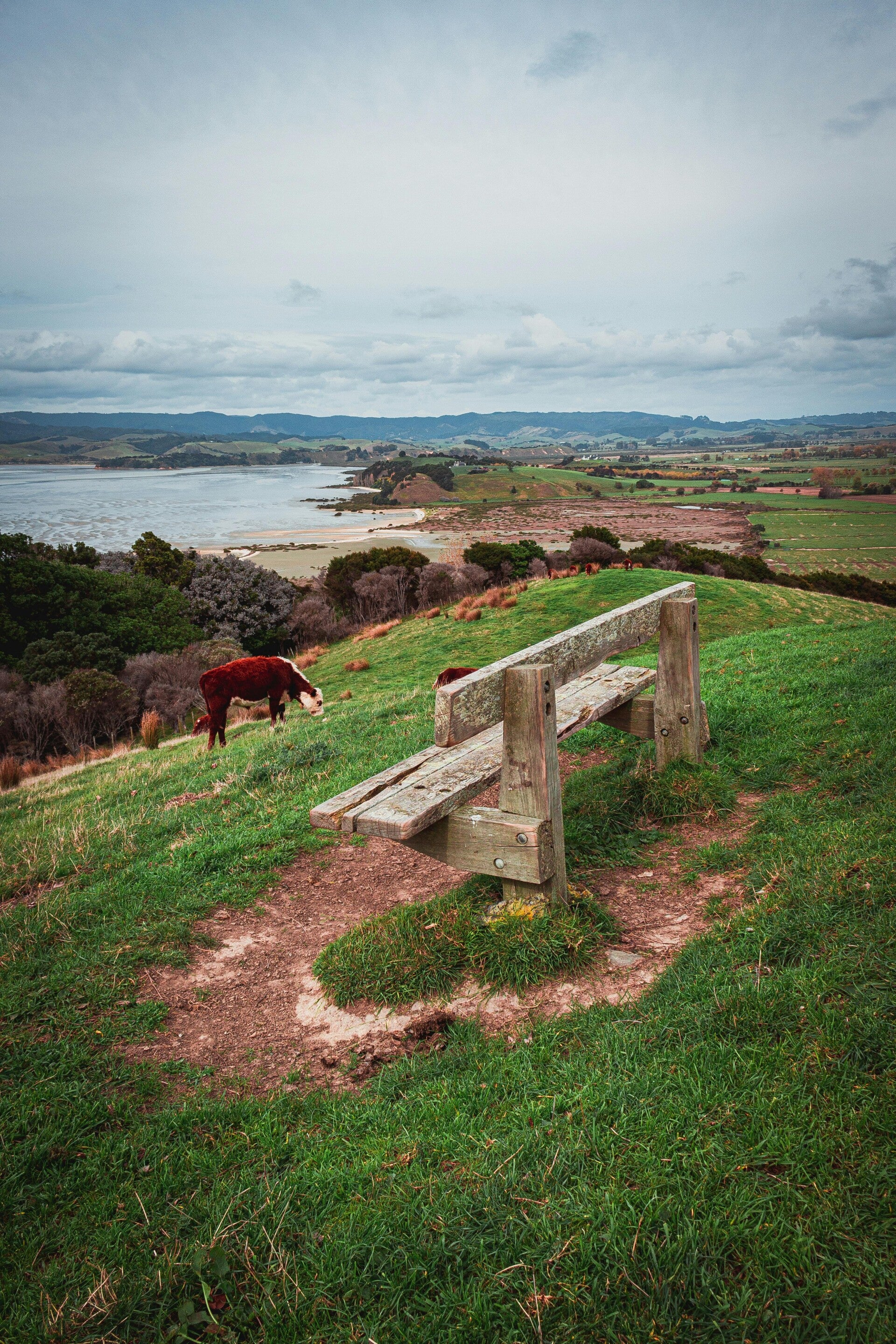
Auckland is a city shaped by water and volcanic terrain. Built across narrow land between two harbours, it balances urban life with open coastlines, island escapes, and green hills that rise unexpectedly within city limits.
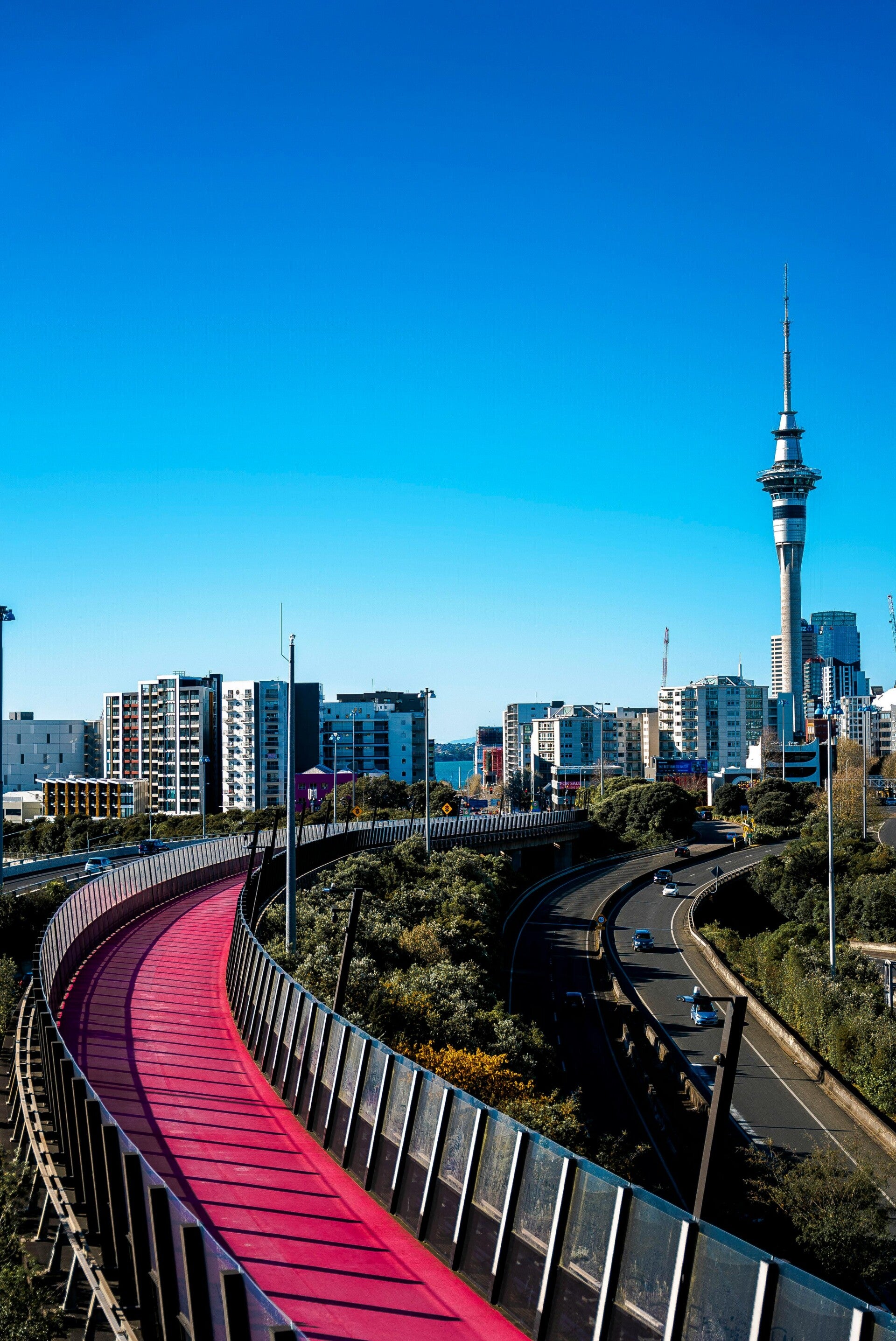
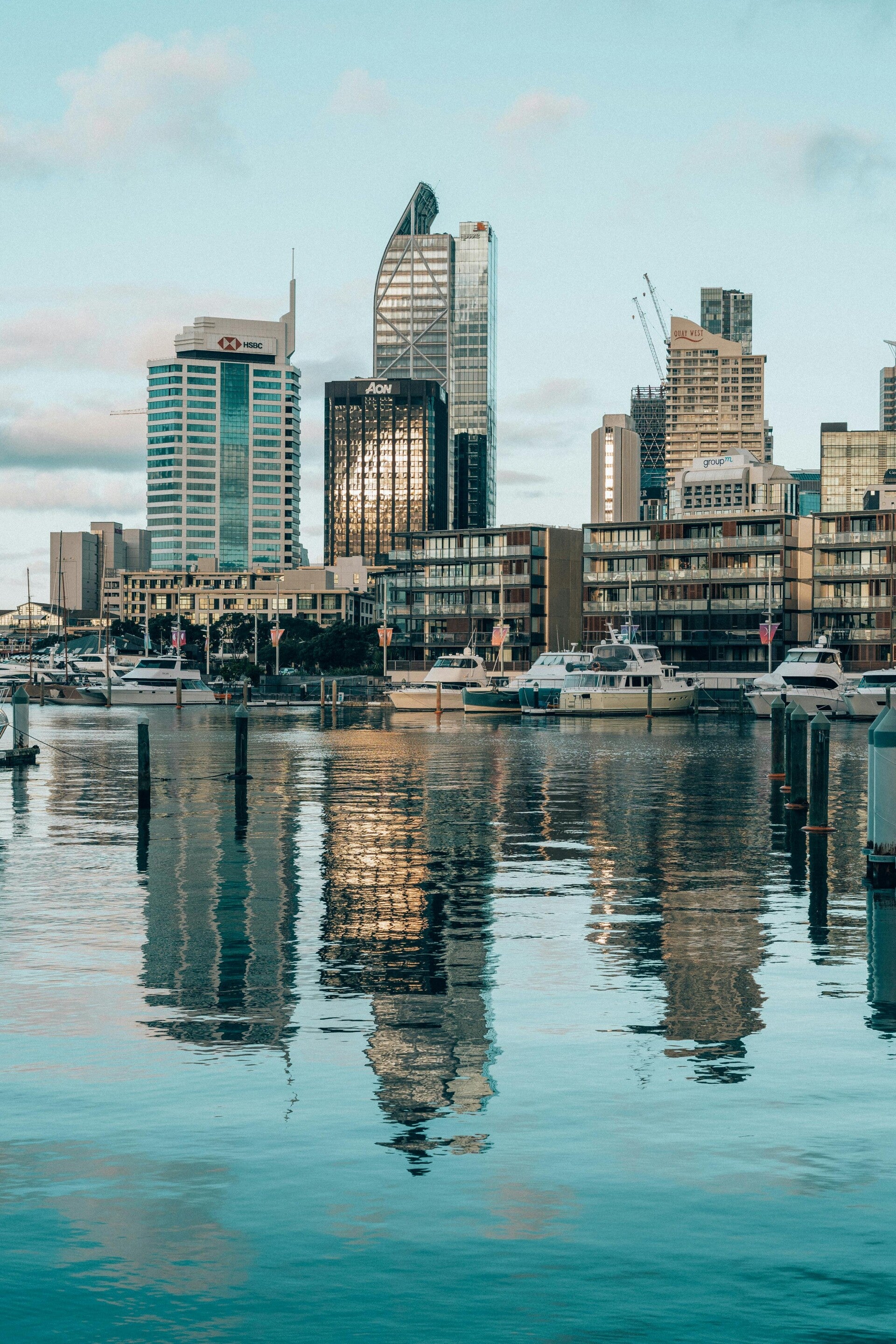
The skyline gathers around the waterfront, where ferries move across the Waitemata Harbour and sailboats reflect the nickname “City of Sails.” Above the city stands the Sky Tower, offering wide views of harbours, volcanic cones, and distant islands.
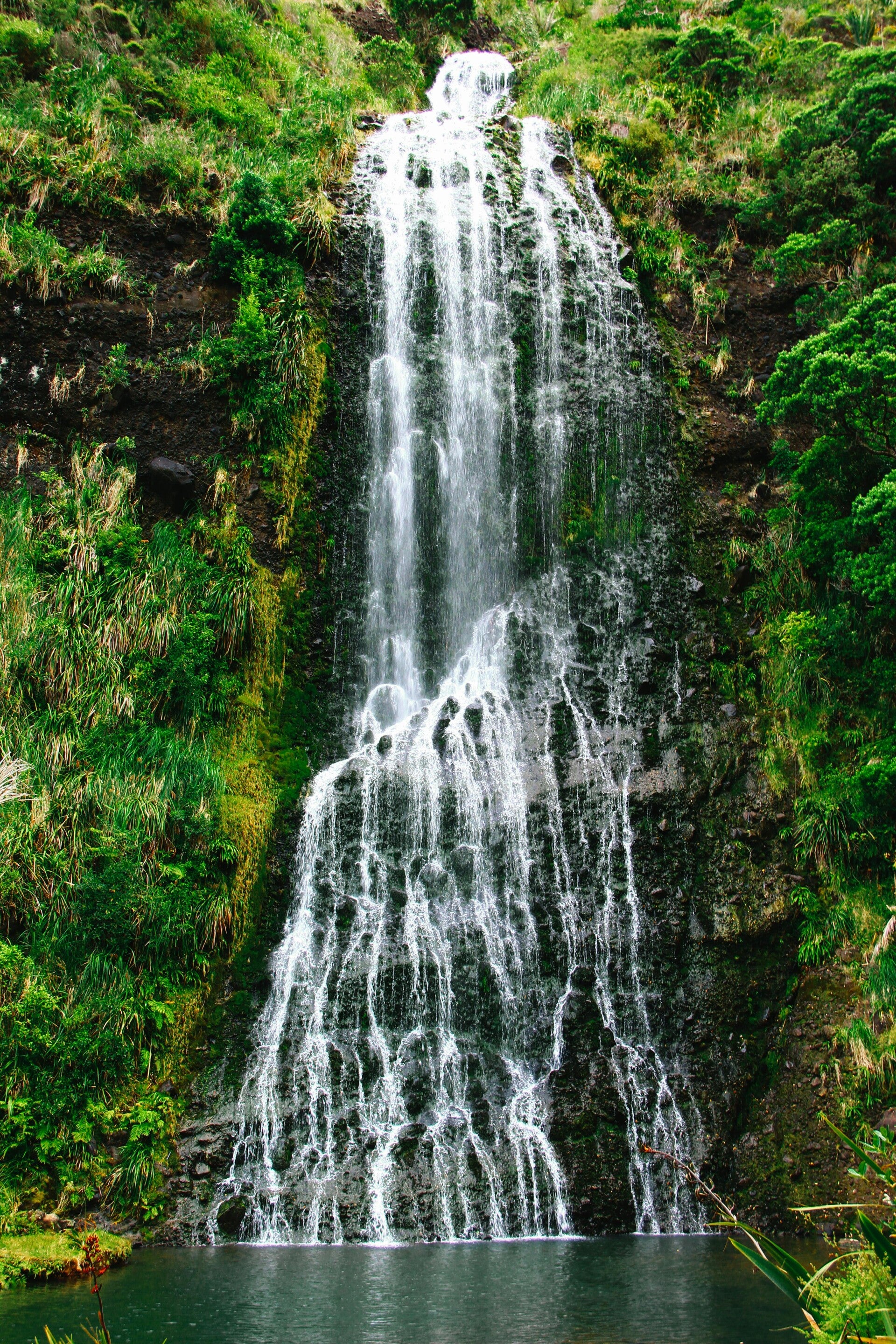
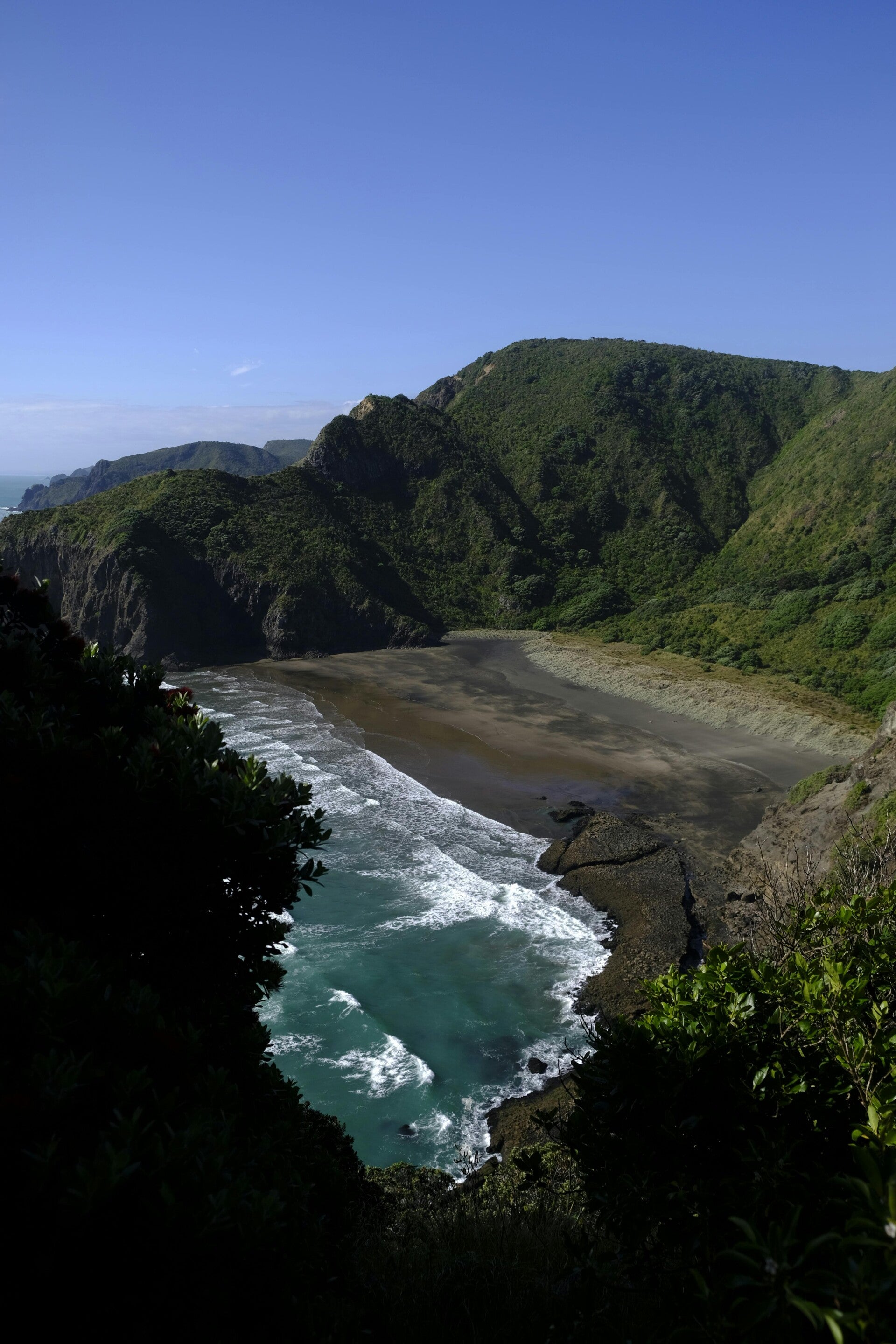
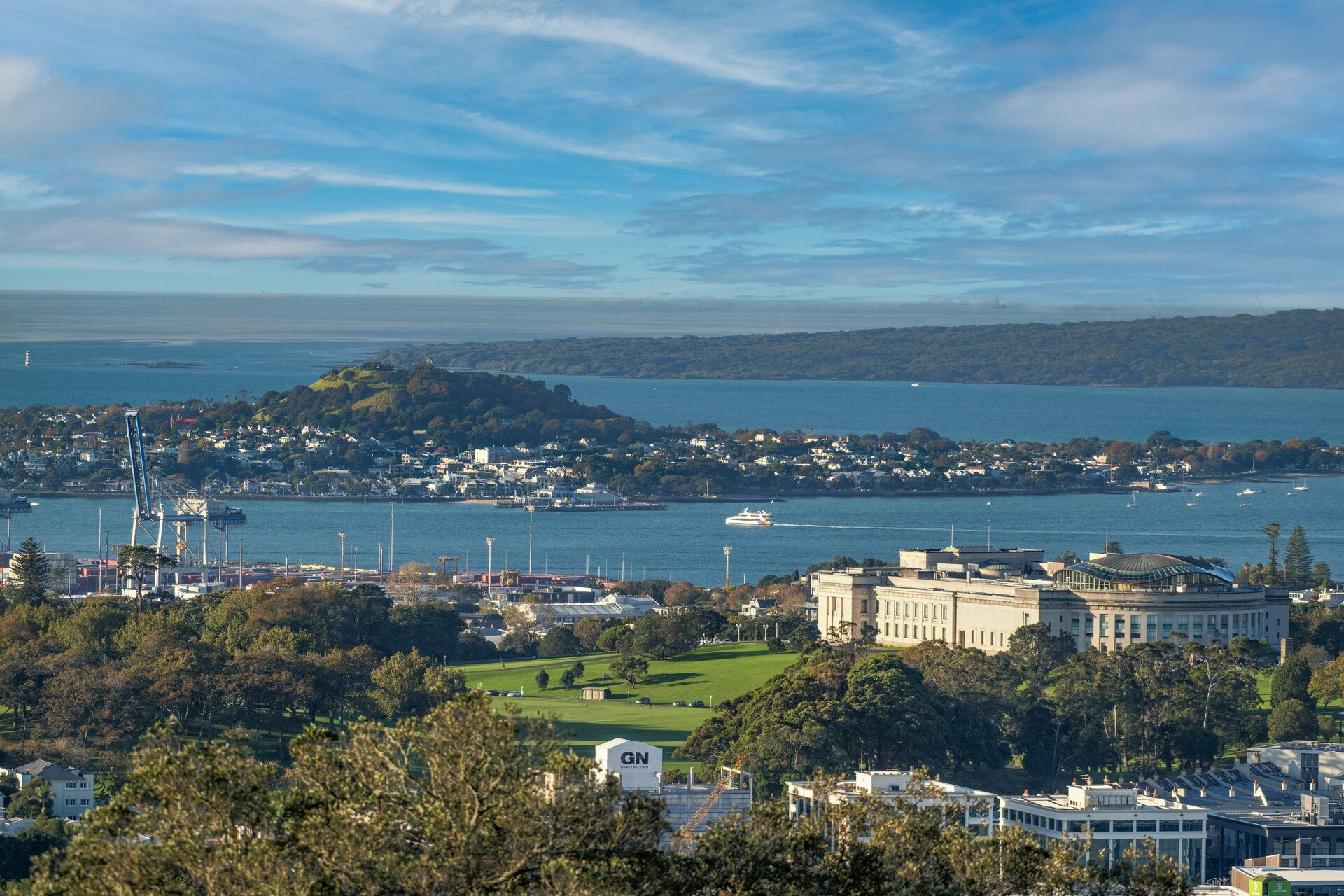
Auckland is also defined by its natural geography. Cones such as Mount Eden provide elevated viewpoints within minutes of downtown, while nearby islands like Waiheke Island offer vineyards and coastal scenery just a short ferry ride away.
The city feels modern and relaxed, with strong Māori and Pacific influences shaping its cultural identity.
- Language: English, Māori
- Currency: New Zealand Dollar (NZD)
- Country: New Zealand
- Visa: Passport required; visa or NZeTA may be required depending on nationality
- Power plugs: Type I
Flights
Auckland is served by Auckland Airport (AKL), New Zealand’s largest and busiest airport.
The airport connects to the city center by bus, shuttle, or taxi in approximately 30–45 minutes depending on traffic. Auckland is the primary international gateway to New Zealand, with direct flights from Australia, Asia, North America, and the Pacific Islands.
Domestic flights link Auckland to cities such as Wellington, Christchurch, and Queenstown.
Transportation
Auckland has buses, commuter trains, and ferries connecting the city center to suburbs and nearby islands. Ferries are an essential part of the transport network, particularly for trips across the harbour.
Central Auckland is walkable, especially around the waterfront and commercial districts. However, distances between neighborhoods can be larger than expected, and car rental or pre-arranged transport is common for exploring beaches, regional parks, and areas beyond the city.
Safety
Auckland is generally considered safe for visitors. The city center is active and well lit, particularly around the waterfront and main streets.
Standard precautions are recommended in busy areas at night. As with any coastal destination, swimmers should follow local safety guidance and pay attention to surf conditions at ocean beaches.
Climate
Auckland has a temperate maritime climate with mild seasonal variation.
Spring (September–November) brings moderate temperatures and blooming landscapes.
Summer (December–February) is warm and sunny, ideal for beaches, sailing, and outdoor dining.
Autumn (March–May) offers settled weather and fewer crowds.
Winter (June–August) is mild compared to many regions, though rainfall is more frequent.
Light layers and rain protection are recommended year-round due to changeable coastal weather.
Budget
Auckland offers a range of accommodation from hostels to waterfront hotels. Dining and activities are moderately priced by international standards, though costs can be higher than in some other regions.
Outdoor activities, beaches, volcanic viewpoints, and coastal walks, can be enjoyed without entrance fees, helping balance overall expenses.
Planning transport and accommodation in advance is advisable, particularly during the summer peak season.