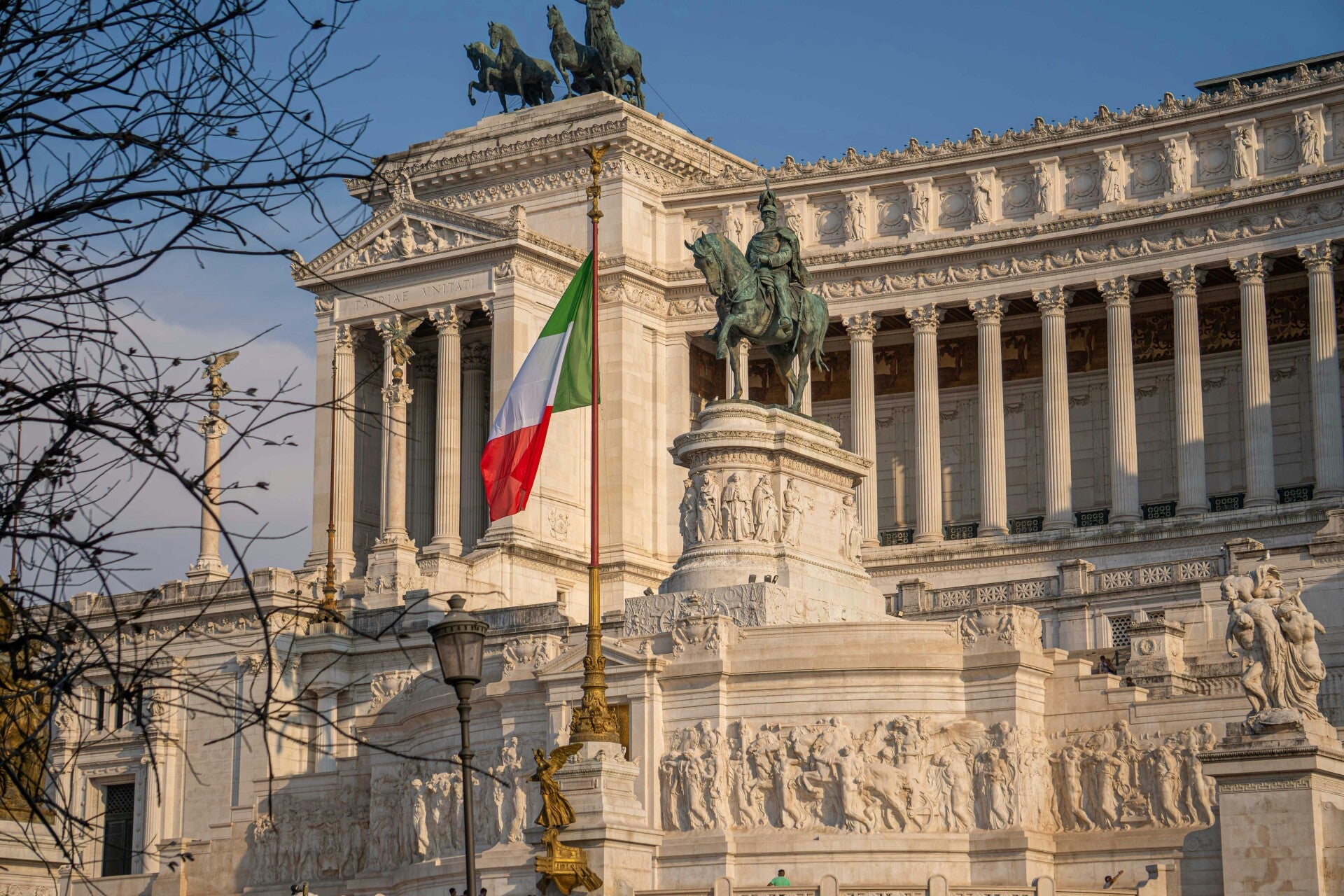
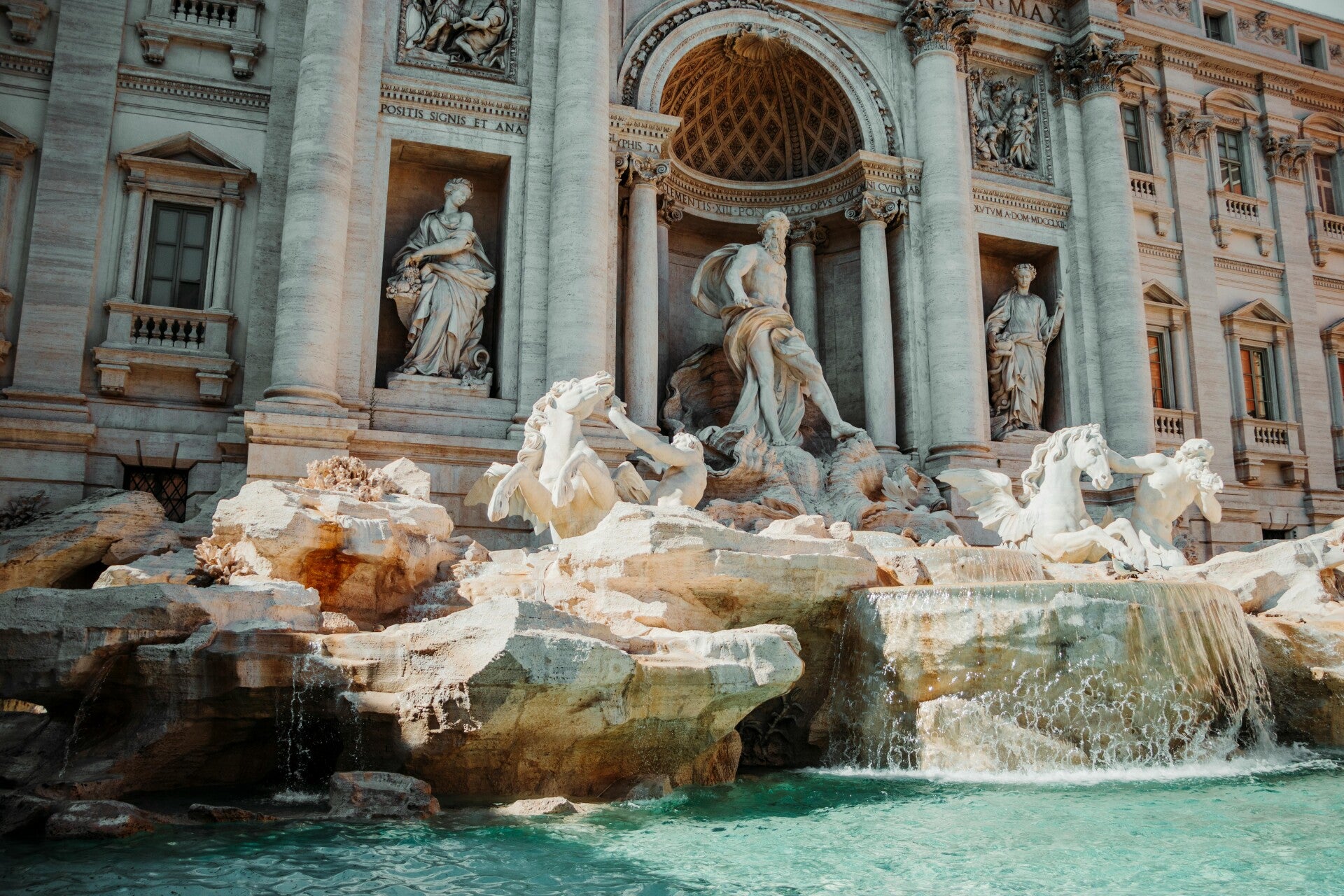
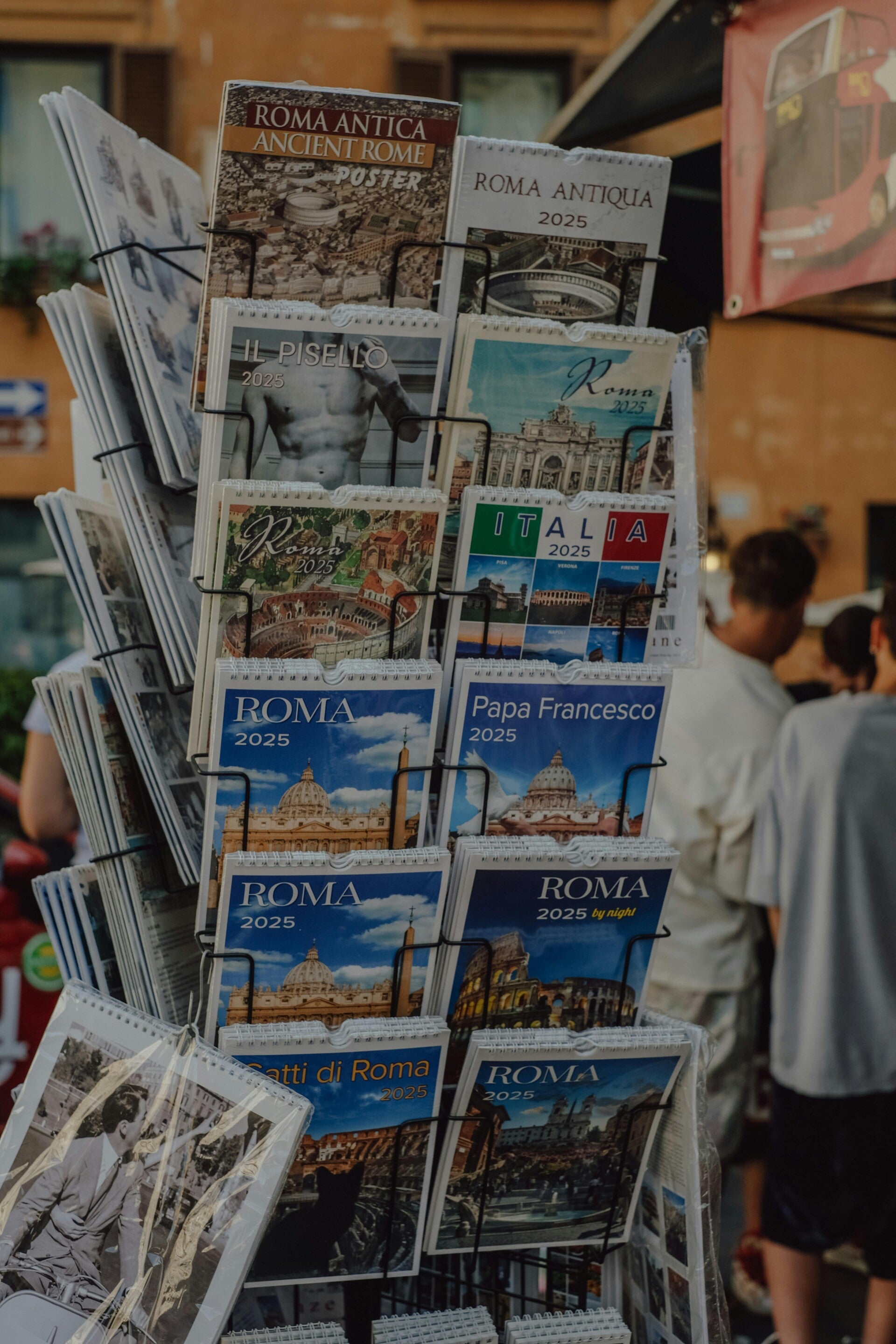
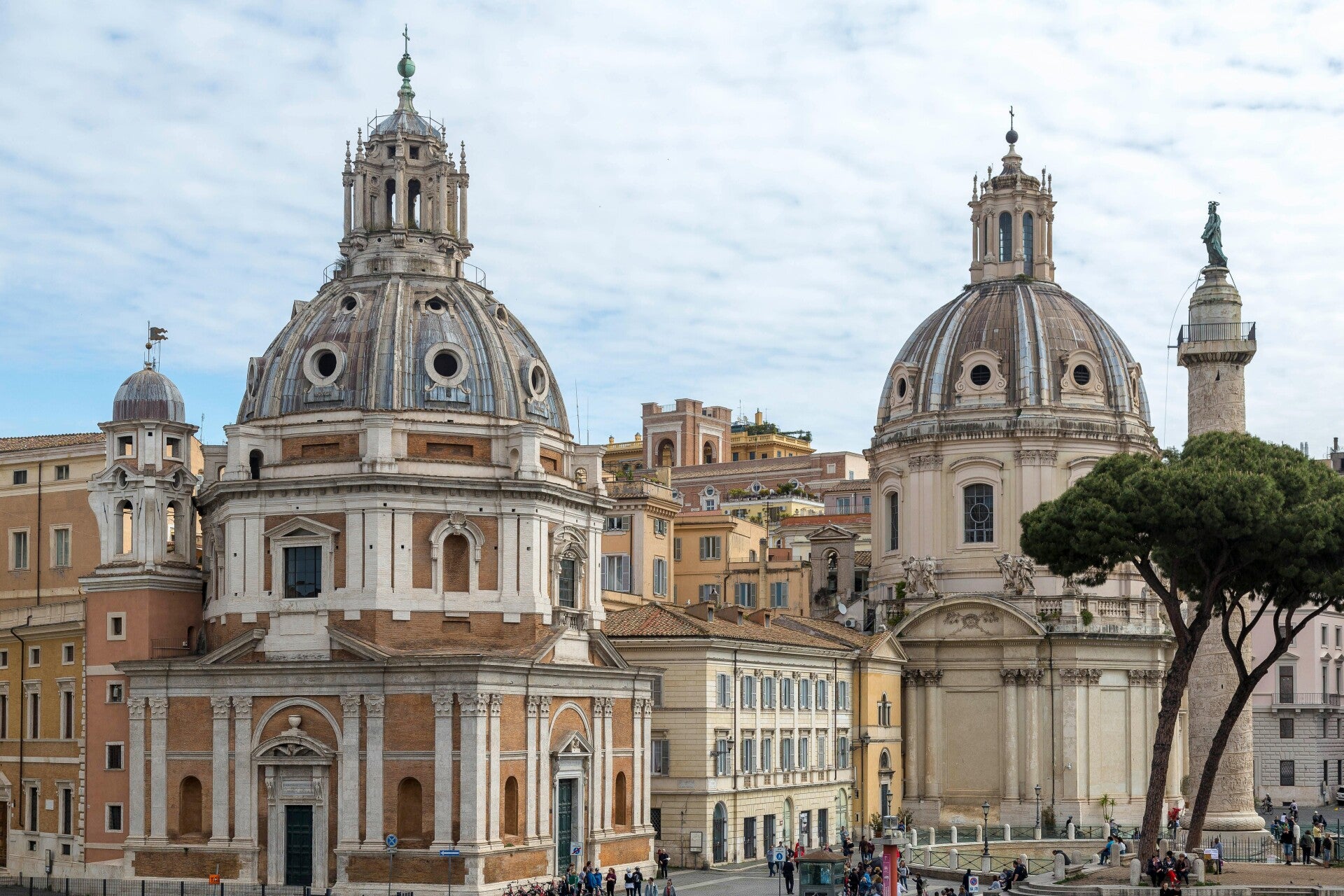
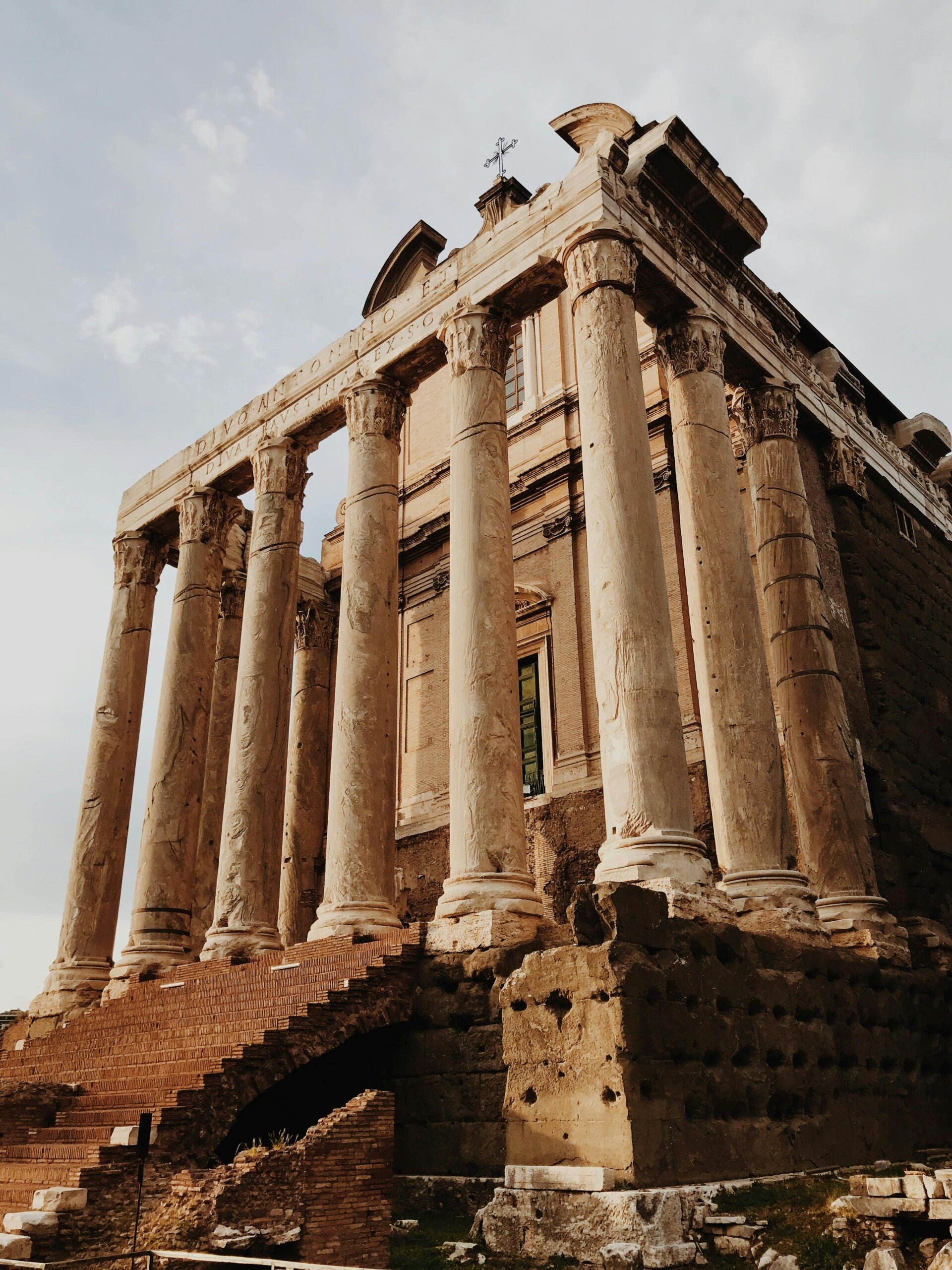
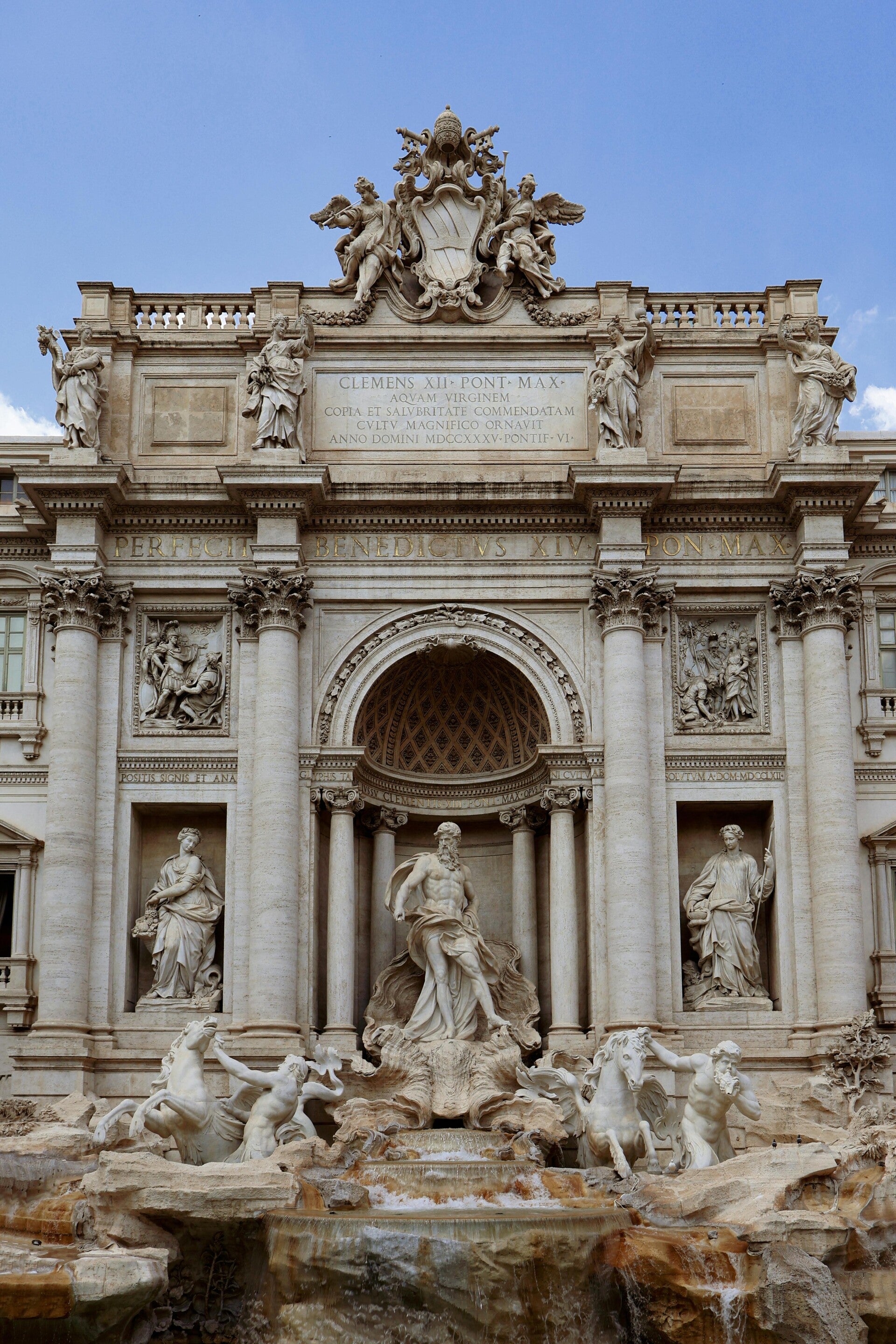
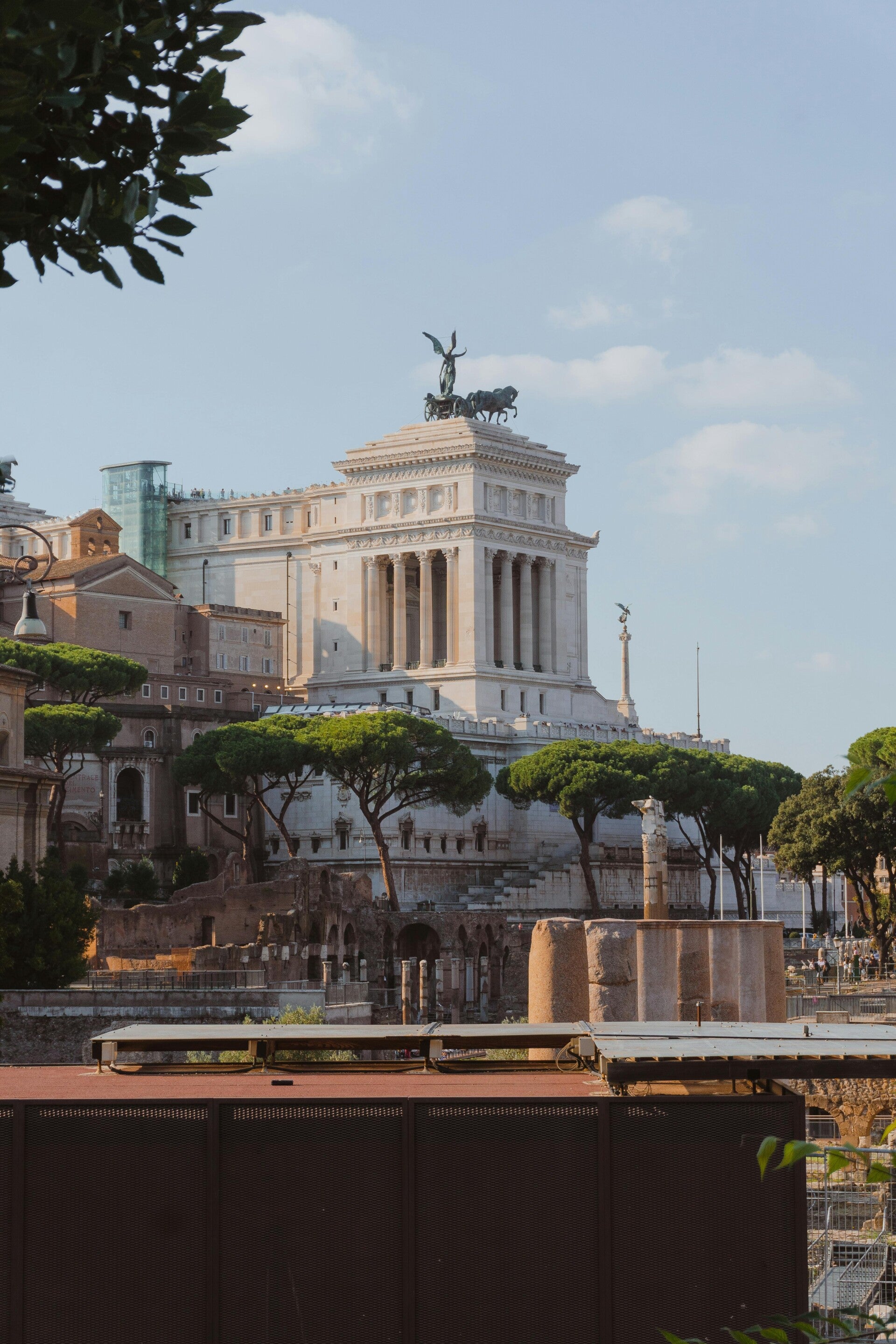
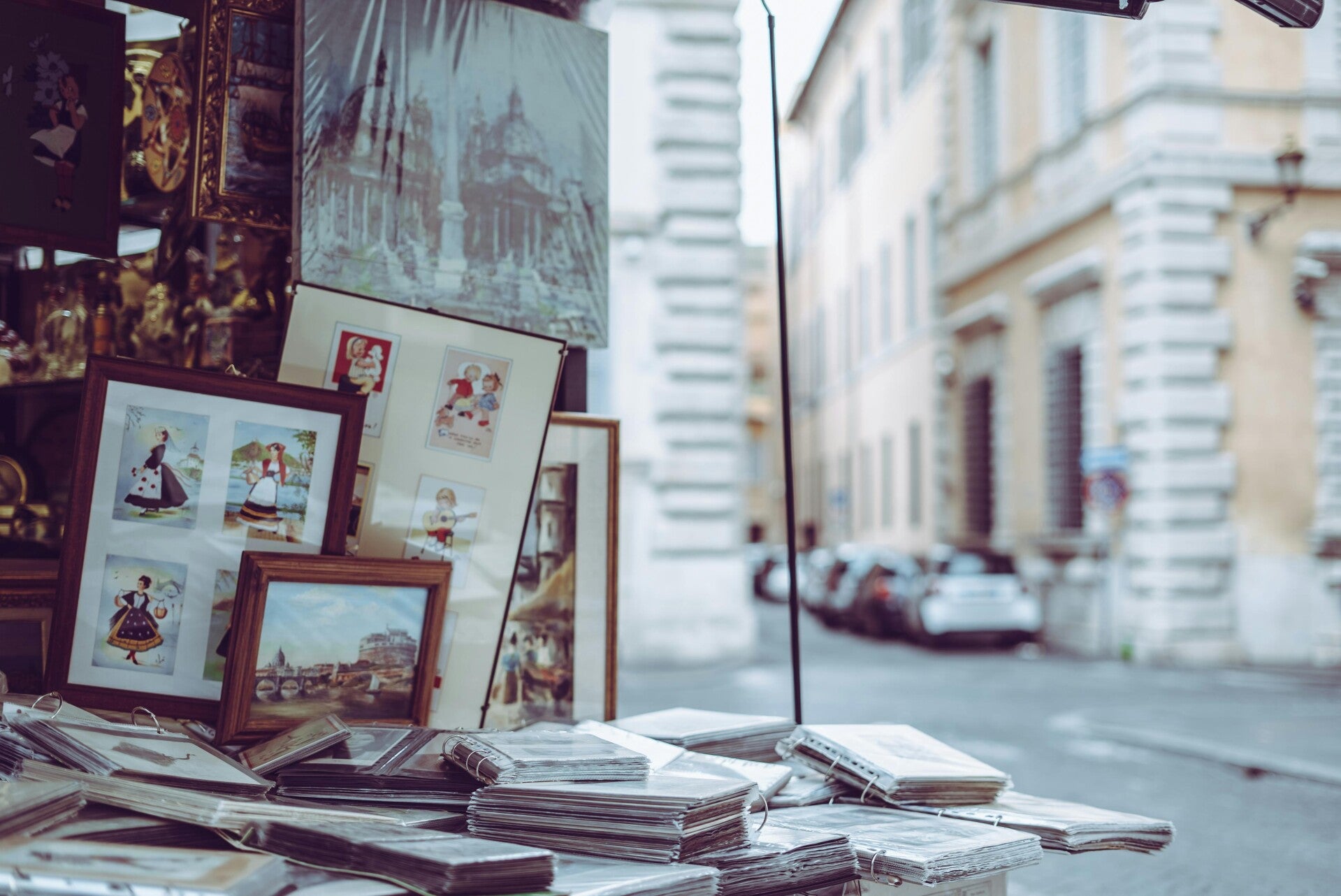
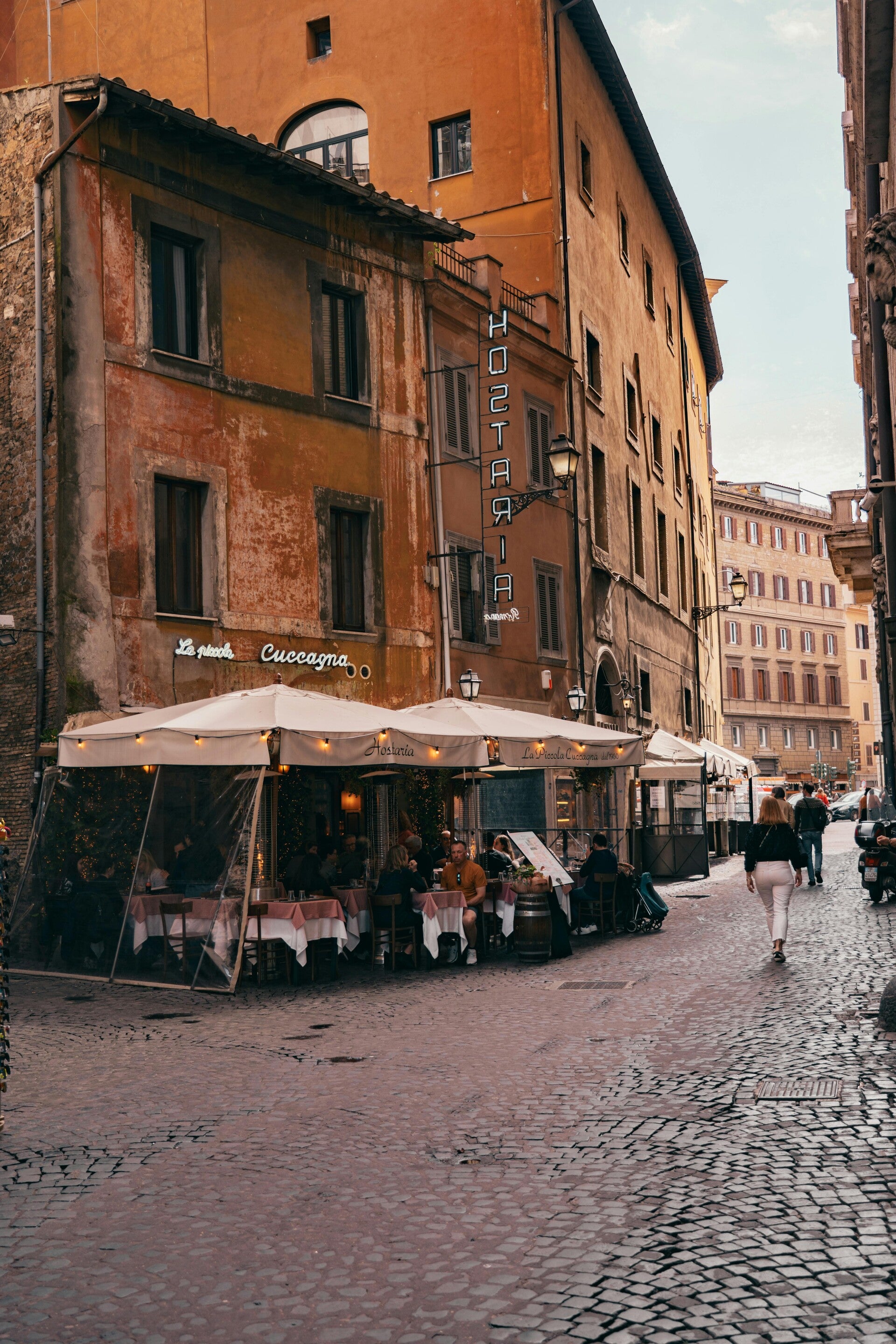
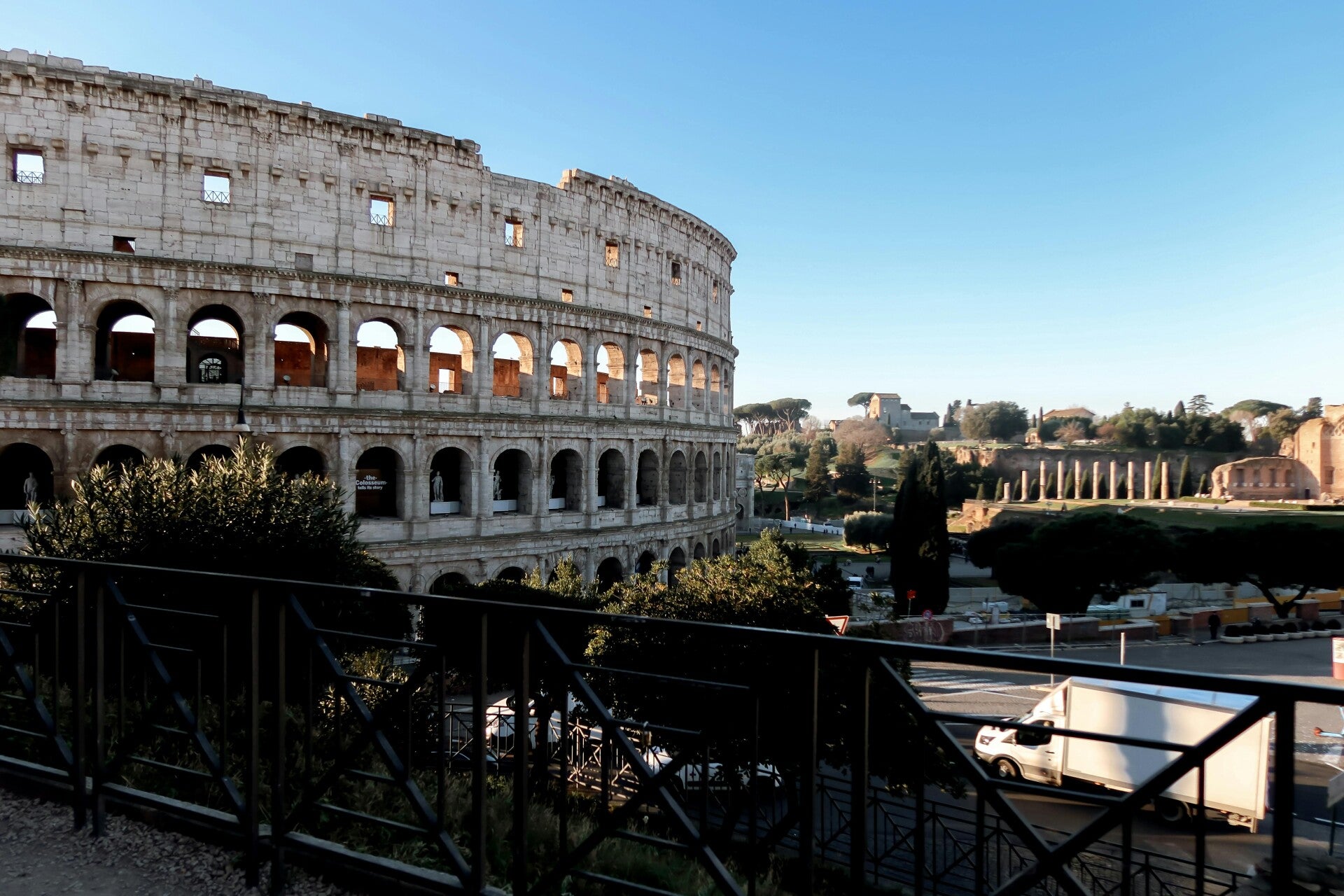
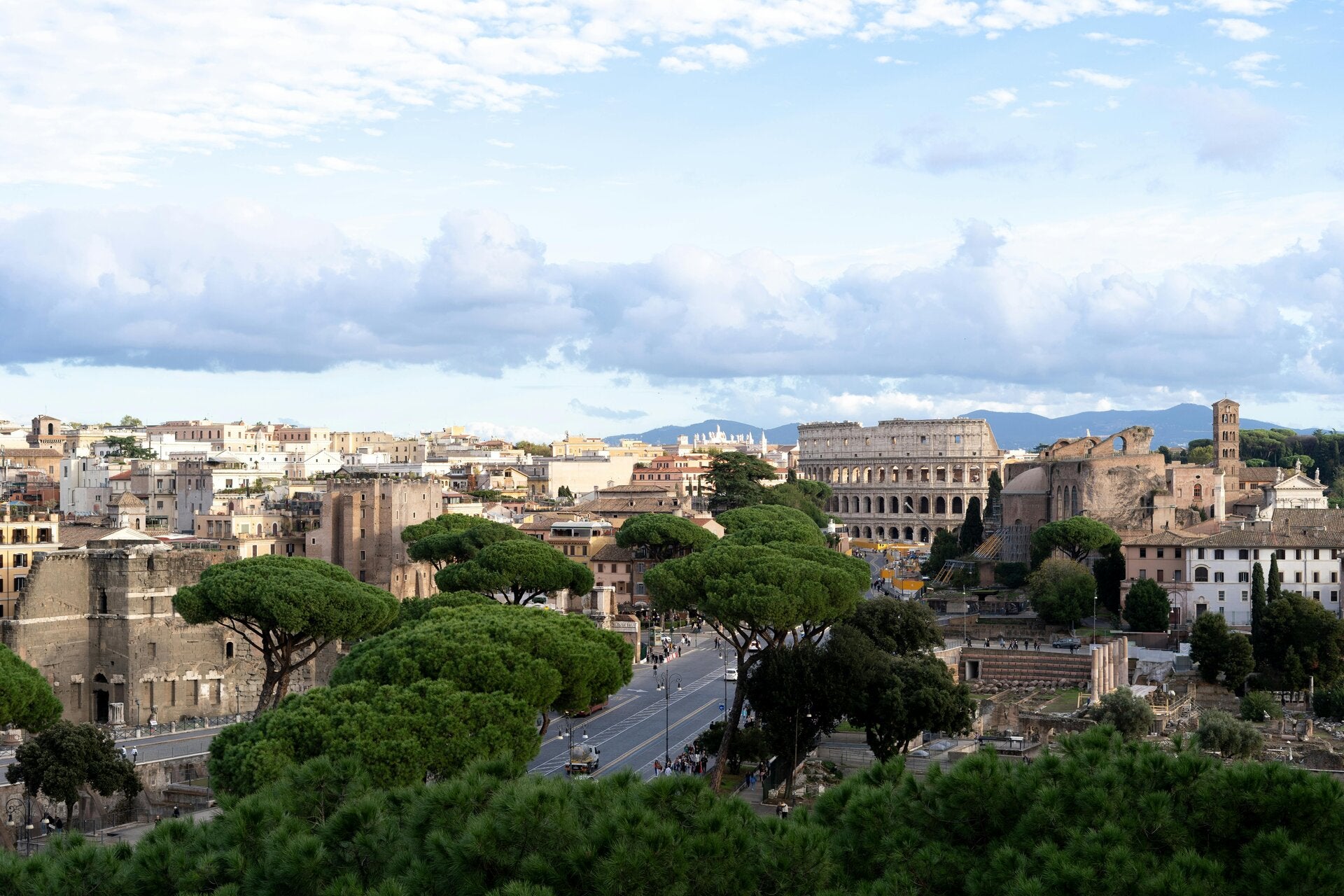
Rome is a city where the past is never distant. Ancient ruins stand beside busy streets, fountains anchor lively piazzas, and centuries-old churches blend into neighborhoods filled with cafés and local markets. History here is not preserved behind glass, it is part of the city’s rhythm.
Beyond its landmarks, Rome reveals itself in quieter ways: morning espresso at the bar, late dinners in Trastevere, and long walks through streets that feel unchanged by time. The city rewards patience and wandering as much as planning.
Know before you go
-
Language: Italian
-
Currency: Euro (EUR)
-
Capital: Rome, Italy
-
Visa: Passport required; Schengen visa rules apply depending on nationality
-
Power plugs: Type C, F & L
Flights
Rome is served by Leonardo da Vinci–Fiumicino Airport (FCO), the main international gateway, and Ciampino Airport (CIA), which handles many low-cost European flights.
Fiumicino connects directly to the city center by train in approximately 30 minutes. Rome is also well linked by high-speed rail to other major Italian cities.
Transportation
Rome has a metro, bus, and tram network, though much of the historic center is best explored on foot. Walking allows travelers to move naturally between landmarks and discover quieter streets along the way.
Taxis and ride services are available, while trains connect Rome to Florence, Naples, and Milan efficiently.
Safety
Rome is generally safe for visitors. The most common concern is pickpocketing, particularly near major attractions and on public transport.
Staying aware in crowded areas and keeping valuables secure is recommended. Evenings are lively, especially in central districts, contributing to a comfortable atmosphere.
Climate
Rome has a Mediterranean climate.
Spring (April–June) offers mild temperatures and blooming gardens, making it one of the best times to visit.
Summer (July–August) is hot and busy, with high temperatures and strong sun.
Autumn (September–October) brings cooler weather and a more relaxed pace.
Winter (November–March) is mild compared to northern Europe, though occasional rain is common.
Comfortable walking shoes and sun protection are essential for much of the year.
Budget
Rome offers a wide range of accommodation, from boutique hotels to luxury stays. Dining can be affordable in local trattorias, while restaurants near major attractions may be higher priced.
Many of the city’s most iconic sights can be admired from the outside without entrance fees, though museum and archaeological site tickets add to overall costs. Planning ahead helps manage both time and budget effectively.